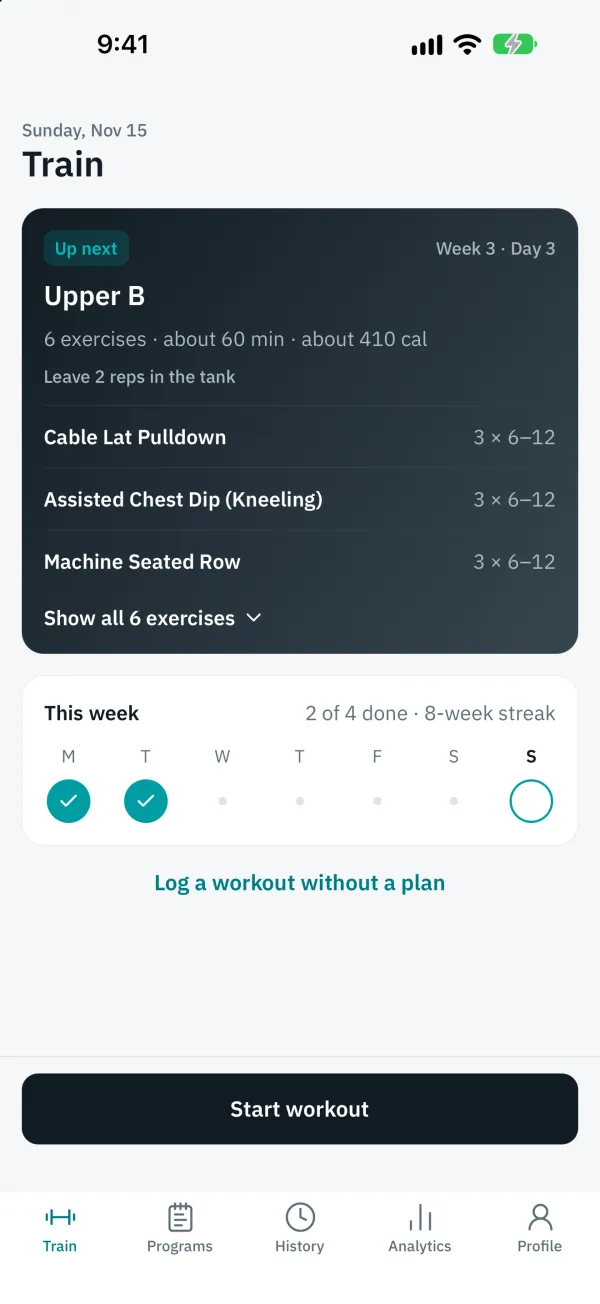
Dumbbell Single-Leg Chest Fly (On Exercise Ball)
The dumbbell single-leg chest fly on an exercise ball is a unique movement that targets the pectoral muscles while also engaging your core for stability. Performing this exercise improves upper body strength and balance, making it ideal for enhancing overall functional fitness.
- Primary muscle
- Chest
- Also works
- Front delts, Triceps
- Equipment
- Dumbbell, Exercise ball
- Type
- Isolation
- Sides
- One side at a time
How to do the dumbbell single-leg chest fly (on exercise ball)
- Begin by sitting on an exercise ball with a dumbbell in each hand, palms facing each other.
- Walk your feet forward and roll the ball backward until your upper back is supported on the ball, forming a bridge with your body. Your knees should be at a 90-degree angle, and your hips should be lifted to create a straight line from your shoulders to your knees.
- Hold the dumbbells directly above your chest with your arms fully extended, keeping a slight bend in your elbows. Your palms should still be facing each other.
- Lift your right leg off the ground, extending it straight out in front of you to create instability, engaging your core and stabilizing muscles.
- Keeping a slight bend in your elbows, slowly lower the dumbbells out to the sides in a wide arc until you feel a stretch in your chest. Your elbows should not drop below shoulder level.
- Pause briefly at the bottom of the movement, ensuring to maintain tension in the chest.
- Squeeze your chest muscles to bring the dumbbells back together, returning to the starting position above your chest.
- Repeat for the desired number of repetitions, keeping the movement controlled and the hips lifted.
- Switch legs and repeat the exercise to work both sides equally.
Benefits, mistakes and tips
Benefits
- Strengthens the chest and upper body muscles
- Improves balance and stability
- Engages core muscles for better support
- Enhances flexibility and range of motion in the chest
- Increases coordination and unilateral strength
Common mistakes
- Arching the back too much while on the ball
- Lifting the legs too high or losing balance
- Using weights that are too heavy, compromising form
- Not controlling the weights during the fly motion
- Neglecting to engage the core adequately
Form tips
- Keep your back flat against the ball to prevent strain
- Use a range of motion that feels comfortable yet challenging
- Focus on slow, controlled movements for better muscle engagement
- Engage your core throughout the exercise for stability
- Start with lighter weights to perfect your form before increasing weight
Alternatives to the dumbbell single-leg chest fly (on exercise ball)
Close matches for the same muscles, with different equipment, so a busy station doesn’t stop your workout.
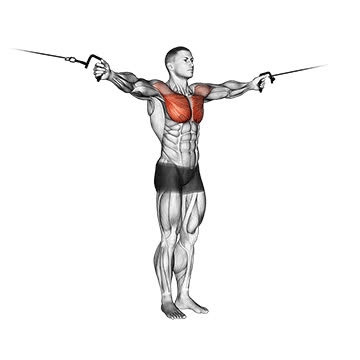
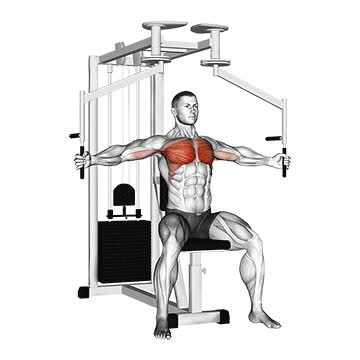
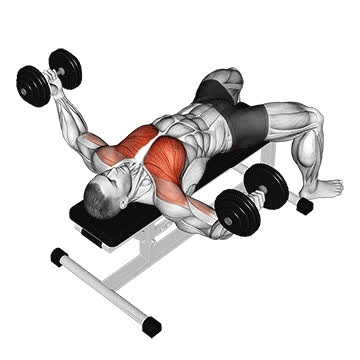
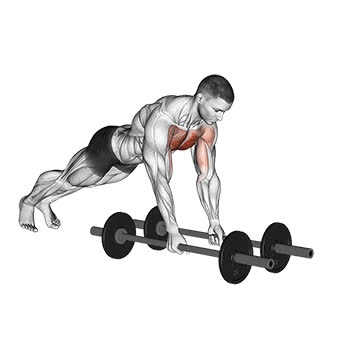
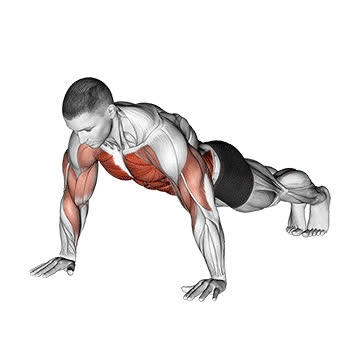
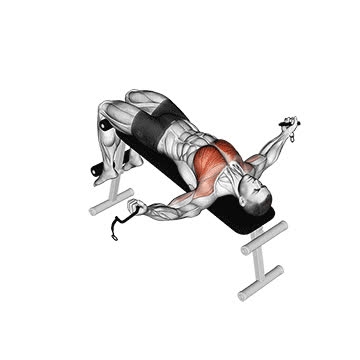
Add the dumbbell single-leg chest fly (on exercise ball) to your plan
Pumpd builds your program from your goal, days and equipment. Every exercise here is in the app, so you can add this one to any day.
Questions about the dumbbell single-leg chest fly (on exercise ball)
Is the dumbbell single-leg chest fly suitable for beginners?
Yes, beginners can perform the dumbbell single-leg chest fly, but it's important to start with lighter weights and focus on mastering the movement. Using a stable position, such as two feet on the ground, can help develop confidence before advancing to single-leg variations.
What are good complementing exercises for the dumbbell single-leg chest fly?
Good complementing exercises include dumbbell bench presses, push-ups, and tricep dips. These movements also target the chest and arms, enhancing overall strength and facilitating muscle balance.
Can I do the dumbbell single-leg chest fly at home?
Absolutely! The dumbbell single-leg chest fly can be done at home if you have an exercise ball and a dumbbell. Ensure you have enough space and a suitable surface to perform the exercise safely.
Does the dumbbell single-leg chest fly help build muscle or lose fat?
This exercise is effective for building muscle in the chest and arms due to its resistance nature. While it can support weight loss when combined with a balanced diet and cardio, its primary focus is muscle development.
Free on iOS and Android.
Build your plan here, then run it in the app.