Cable Crossover
The cable crossover is a versatile exercise primarily targeting the pectoral muscles while also engaging the deltoids and triceps. This exercise is excellent for building chest strength and developing muscle definition, making it a staple in many workout routines.
- Primary muscle
- Chest
- Also works
- Front delts, Triceps
- Equipment
- Cable machine
- Type
- Isolation
How to do the cable crossover
- Adjust the cable pulleys to chest height or slightly above to ensure optimal range of motion.
- Stand in the center of the cable machine, positioning one foot slightly in front of the other for better balance and stability.
- Grasp the handles firmly with your palms facing down, arms extended out to your sides.
- Engage your core and keep a slight bend in your knees to maintain stability.
- Take a small step forward to start, keeping your arms slightly bent at the elbows.
- In a controlled manner, bring your hands together in a sweeping arc motion in front of your chest. Your elbows should remain slightly bent throughout to reduce strain on the joints.
- Squeeze your chest muscles at the peak of the movement and hold for a brief pause to maximize contraction.
- Slowly return your arms back to the starting position, maintaining control and tension on the chest muscles.
- Ensure your movements are smooth and controlled to avoid injury and maintain constant tension on the working muscles.
- Repeat for the desired number of repetitions, maintaining proper form throughout.
Benefits, mistakes and tips
Benefits
- Enhances chest muscle definition
- Improves shoulder stability
- Versatile: can be performed at various angles
- Increases upper body strength
- Engages multiple muscle groups for efficient workouts
Common mistakes
- Using too much weight, compromising form
- Allowing elbows to drop too low
- Avoiding full range of motion
- Rushing through the movement
- Failing to engage the core for stability
Form tips
- Adjust the cables to shoulder height for optimal engagement
- Breathe out when bringing cables together
- Maintain a slight bend in the elbows throughout the movement
- Focus on controlled, fluid movements rather than speed
- Engage your core to maintain balance during the exercise
Alternatives to the cable crossover
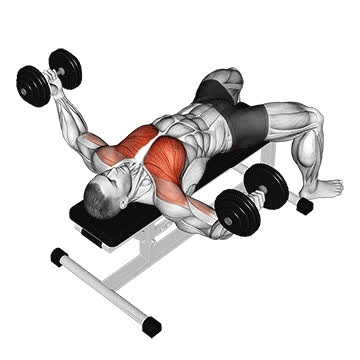
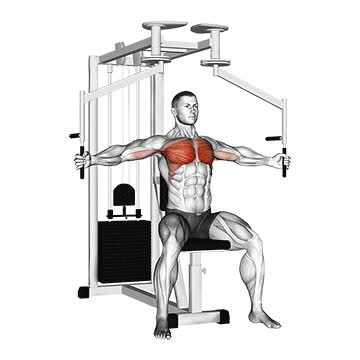
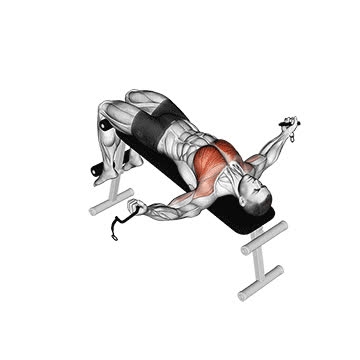
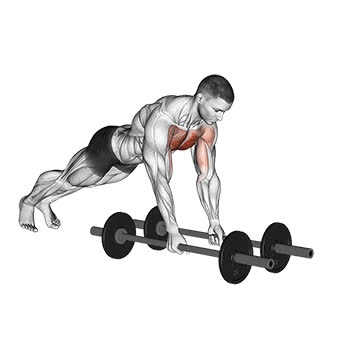
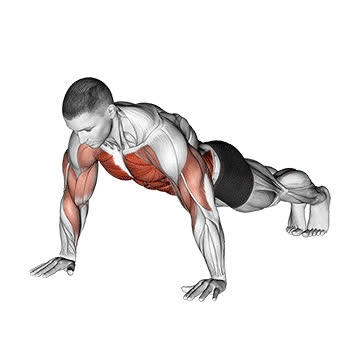
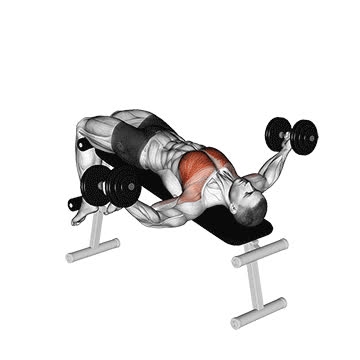
Close matches for the same muscles, with different equipment, so a busy station doesn’t stop your workout.
Pumpd builds the cable crossover into your plan
Tell Pumpd your goal, days and equipment. It picks exercises like this one, sets your sets and reps, and balances weekly sets for every muscle.
See it in a real week: Push Pull Legs · Upper / Lower
Questions about the cable crossover
Is the cable crossover suitable for beginners?
Yes, the cable crossover can be suitable for beginners. It's important to start with lighter weights to ensure proper form and technique. Consider working with a trainer for guidance in the initial stages.
What are good complementing exercises for the cable crossover?
Good complementing exercises for the cable crossover include push-ups, bench presses, and dumbbell flyes. These exercises target similar muscle groups and can enhance overall chest development.
Can I do the cable crossover at home?
Yes, if you have a cable machine at home, you can perform cable crossovers conveniently. Alternatively, resistance bands can be used to simulate the movement.
Does the cable crossover help build muscle or lose fat?
The cable crossover primarily helps build muscle, especially in the chest, shoulders, and triceps. While it's effective for muscle gain, when combined with a proper diet and cardio, it can also aid in fat loss.
Free on iOS and Android.
Build your plan here, then run it in the app.