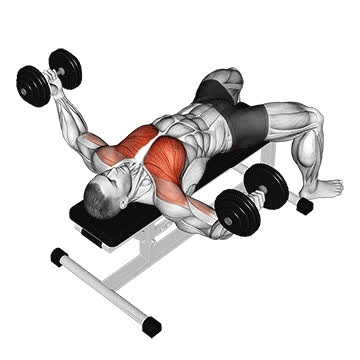
Dumbbell Decline Twist Chest Fly
The dumbbell decline twist chest fly is an effective exercise that targets the pectorals while engaging the deltoids and triceps. This movement not only enhances chest strength but also improves muscular definition and stability through a unique twisting motion, making it a valuable addition to any workout routine.
- Primary muscle
- Chest
- Also works
- Triceps
- Equipment
- Bench, Dumbbell
- Type
- Isolation
How to do the dumbbell decline twist chest fly
- Lie down on a decline bench with your feet secured and head lower than your hips. Make sure your back is flat against the bench.
- Hold a dumbbell in each hand with your palms facing each other, and extend your arms straight over your chest. Keep a slight bend in your elbows to protect your joints.
- Lower the dumbbells out to your sides in a wide arc until you feel a stretch in your chest muscles. Your elbows should remain slightly bent throughout the movement.
- As you lower the dumbbells, twist your wrists so that your palms face forward at the bottom of the movement.
- Reverse the motion by bringing the dumbbells back up on the same arc, twisting your wrists back to the starting position, and squeezing your chest muscles at the top.
- Ensure that you keep your core engaged and avoid lifting your head off the bench to maintain proper form and prevent strain.
- Complete the desired number of repetitions, focusing on controlled movements throughout the exercise.
Benefits, mistakes and tips
Benefits
- Engages multiple muscle groups for a full upper-body workout.
- Improves chest definition and strength effectively.
- Helps increase shoulder stability and flexibility.
- Encourages greater muscle activation through twisting motion.
- Promotes better coordination and balance.
Common mistakes
- Using too heavy weights, which can compromise form.
- Failing to maintain a stable decline angle on the bench.
- Neglecting proper arm alignment during the twist.
- Not keeping a controlled motion throughout the exercise.
- Forgetting to engage the core for balance.
Form tips
- Start with lighter weights to master the form before progressing.
- Ensure a comfortable decline on the bench to maximize effectiveness.
- Keep your elbows slightly bent to prevent strain.
- Focus on a smooth, controlled twist to engage the pectorals fully.
- Breathe out while lifting and inhale when returning to starting position.
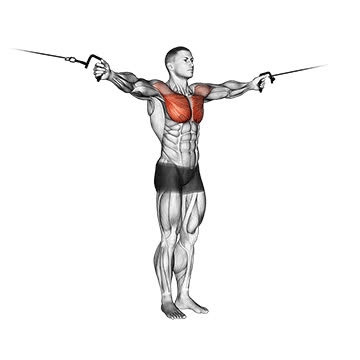
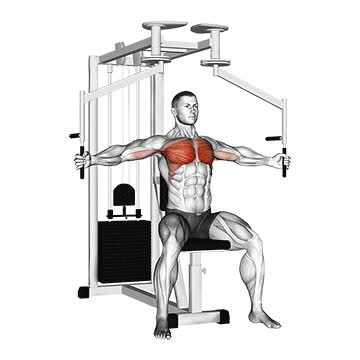
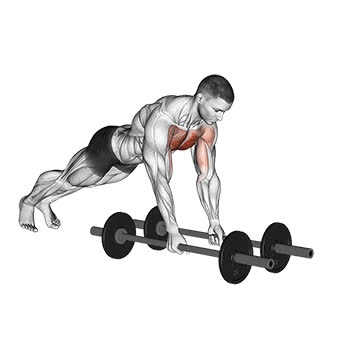
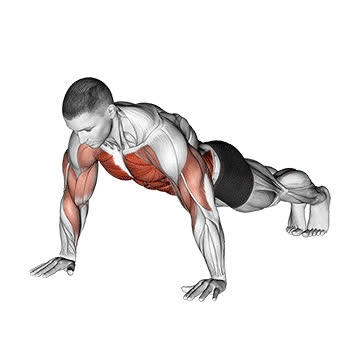
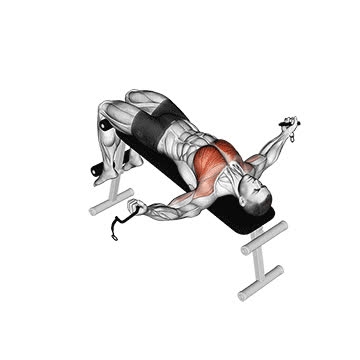
Alternatives to the dumbbell decline twist chest fly
Close matches for the same muscles, with different equipment, so a busy station doesn’t stop your workout.
Pumpd builds the dumbbell decline twist chest fly into your plan
Tell Pumpd your goal, days and equipment. It picks exercises like this one, sets your sets and reps, and balances weekly sets for every muscle.
Questions about the dumbbell decline twist chest fly
Is the dumbbell decline twist chest fly suitable for beginners?
Yes, the dumbbell decline twist chest fly can be suitable for beginners if performed with lighter weights and proper form. It's essential to start at an appropriate level to build strength progressively while ensuring safety.
What are good complementing exercises for the dumbbell decline twist chest fly?
Complementing exercises include the standard dumbbell chest fly, push-ups, and incline dumbbell presses. These exercises target similar muscles and help create a balanced workout routine.
Can I do the dumbbell decline twist chest fly at home?
Yes, you can do the dumbbell decline twist chest fly at home if you have access to a decline bench and dumbbells. This makes it a convenient option for effective upper body training.
Does the dumbbell decline twist chest fly help build muscle or lose fat?
The dumbbell decline twist chest fly primarily helps build muscle, especially in the chest and arms. Incorporating it into a balanced workout strategy can also aid in fat loss when combined with cardiovascular training and proper nutrition.
Free on iOS and Android.
Build your plan here, then run it in the app.