Single-Leg Squat (Pistol)
The single-leg squat, often referred to as the pistol squat, is a challenging exercise that primarily targets the quadriceps while also engaging the glutes, hamstrings, and calves. It's an excellent movement for building lower body strength, improving balance, and enhancing functional fitness.
- Primary muscle
- Quads
- Also works
- Glutes, Hamstrings
- Equipment
- None
- Type
- Compound
- Sides
- One side at a time
How to do the single-leg squat (pistol)
- Stand with your feet hip-width apart and your arms extended forward for balance.
- Lift your right foot off the ground, extending it straight in front of you. Flex your foot slightly.
- Engage your core muscles to maintain balance and stability.
- Begin the movement by bending your left knee and pushing your hips back, as if sitting down onto a chair.
- Keep your chest lifted and back straight throughout the movement. Avoid rounding your shoulders or arching your back.
- Lower your body slowly until your left thigh is parallel to the ground or as low as you can comfortably go. Ensure your knee tracks over your toes to prevent strain.
- Pause briefly at the bottom of the squat to maintain control and balance.
- Press through your left heel to push back up to the starting position, straightening your left leg.
- Maintain control and balance as you rise, focusing on using your quadriceps, glutes, and hamstrings.
- Perform the desired number of repetitions with your left leg before switching to the right leg.
- Breathe in as you lower your body and exhale as you rise back up.
Benefits, mistakes and tips
Benefits
- Strengthens the quadriceps effectively
- Enhances balance and stability
- Engages multiple muscle groups for a comprehensive workout
- Improves joint flexibility and mobility
- Promotes better coordination and body awareness.
Common mistakes
- Allowing the knee to cave inward during the squat
- Not maintaining proper alignment in the torso
- Squatting too low without adequate strength, risking injury
- Failing to engage the core for stability
- Lifting the heel off the ground instead of keeping the foot flat.
Form tips
- Start with a partial range of motion if you're a beginner
- Use a support, like a wall or stable surface, for balance
- Focus on slow and controlled movements to maintain form
- Engage your core to stabilize throughout the squat
- Always warm up properly before attempting this exercise.
Alternatives to the single-leg squat (pistol)
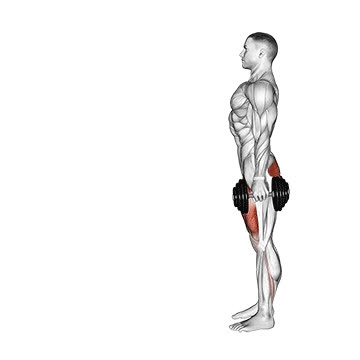
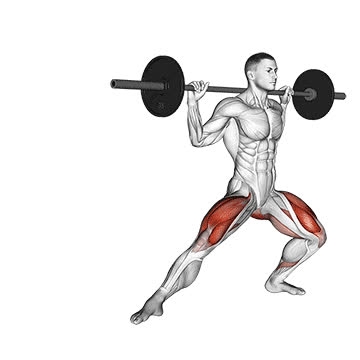
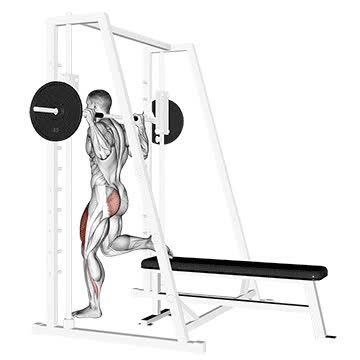
Close matches for the same muscles, with different equipment, so a busy station doesn’t stop your workout.
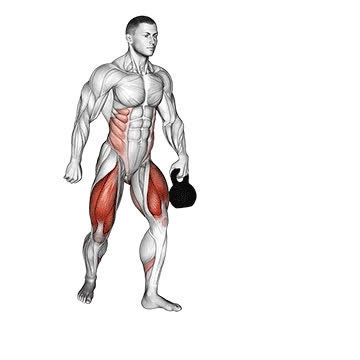
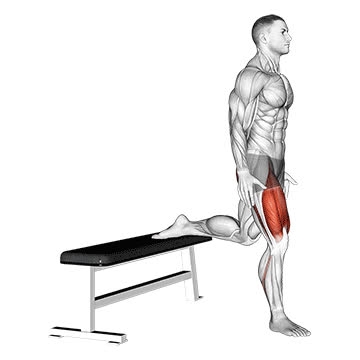
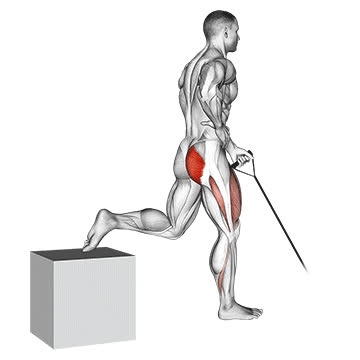
Add the single-leg squat (pistol) to your plan
Pumpd builds your program from your goal, days and equipment. Every exercise here is in the app, so you can add this one to any day.
Questions about the single-leg squat (pistol)
Is the single-leg squat (pistol) suitable for beginners?
The single-leg squat can be quite challenging for beginners due to its balance and strength requirements. It’s best to start with assisted variations or partial squats to build strength and stability before progressing to the full movement.
What are good complementing exercises for the single-leg squat (pistol)?
Complementing exercises include lunges, step-ups, and traditional squats. These movements target similar muscle groups and help improve overall leg strength and stability, making them ideal complements to the single-leg squat.
Can I do the single-leg squat (pistol) at home?
Yes, the single-leg squat can be performed at home without any equipment, making it an excellent bodyweight exercise. Ensure you have enough space to maintain balance and consider using a chair or wall for support if needed.
Does the single-leg squat (pistol) help build muscle or lose fat?
The single-leg squat is effective for building muscle, particularly in the legs and glutes, due to its strength-demanding nature. While it can contribute to calorie burning and fat loss when incorporated into a workout routine, its primary focus is muscle strengthening.
Free on iOS and Android.
Build your plan here, then run it in the app.