Single-Leg Squat
The single-leg squat is a challenging and effective exercise that primarily targets the quadriceps while engaging the glutes, hamstrings, and calves. This unilateral movement enhances balance, stability, and overall leg strength, making it a valuable addition to any fitness routine.
- Primary muscle
- Quads
- Also works
- Glutes, Hamstrings
- Equipment
- None
- Type
- Compound
- Sides
- One side at a time
How to do the single-leg squat
- Stand upright with your back facing a bench or a box.
- Place one foot on the bench behind you, keeping the toes resting on it.
- Position your standing foot forward enough so that you can squat down without your knee going over your toes.
- Engage your core to maintain balance and keep your chest up and back straight throughout the movement.
- Slowly bend your standing leg and lower your body down, ensuring your knee does not go past your toes.
- Stop lowering when your thigh is parallel to the ground or until you feel a comfortable stretch in your quadriceps.
- Push through the heel of your standing foot to return to the starting position.
- Repeat for the desired number of repetitions before switching legs.
Benefits, mistakes and tips
Benefits
- Improves balance and coordination
- Strengthens the quadriceps and lower body
- Enhances functional stability
- Targets core muscles for better posture
- Reduces the risk of injury during activities
Common mistakes
- Leaning too far forward
- Allowing the knee to extend past the toes
- Not lowering to a comfortable depth
- Rounding the back during the movement
- Neglecting to engage the core
Form tips
- Keep your chest up and back straight
- Engage your core to maintain stability
- Start with a shallow squat and increase depth as you gain strength
- Use a support object, like a wall or chair, if needed
- Focus on slow and controlled movements
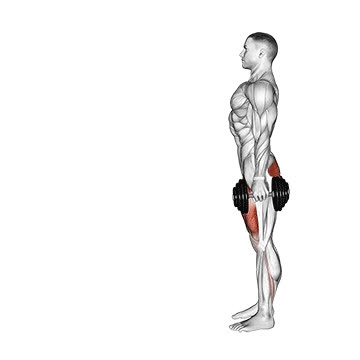
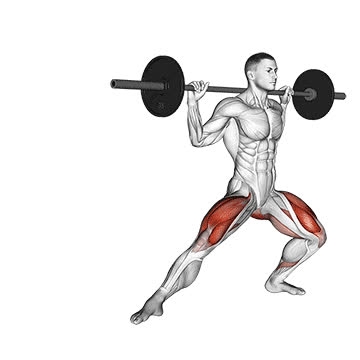
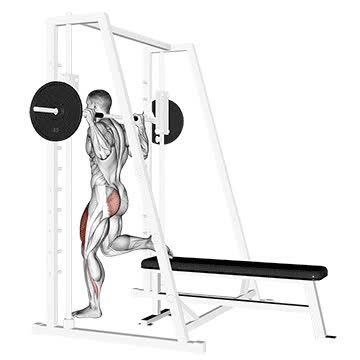
Alternatives to the single-leg squat
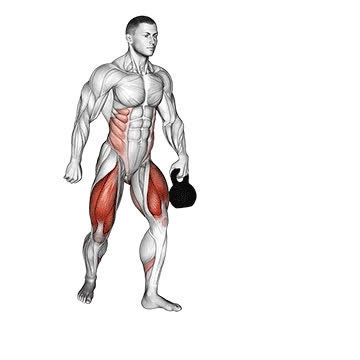
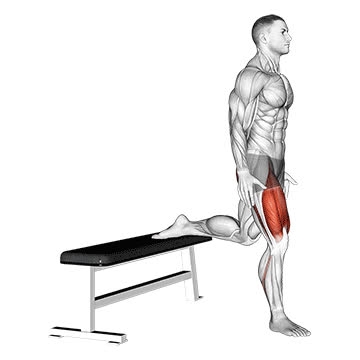
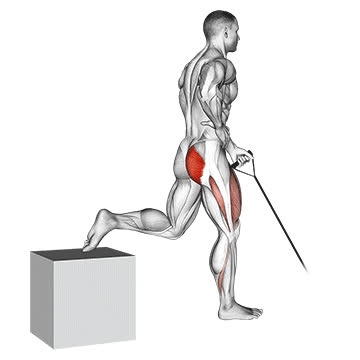
Close matches for the same muscles, with different equipment, so a busy station doesn’t stop your workout.
Pumpd builds the single-leg squat into your plan
Tell Pumpd your goal, days and equipment. It picks exercises like this one, sets your sets and reps, and balances weekly sets for every muscle.
Questions about the single-leg squat
Is the Single-Leg Squat suitable for beginners?
Yes, the single-leg squat can be adapted for beginners by reducing the depth of the squat or using support for balance. It's important to master the movement before progressing.
What are good complementing exercises for the Single-Leg Squat?
Good complementary exercises include lunges, step-ups, and glute bridges. These movements also strengthen the lower body and improve balance.
Can I do the Single-Leg Squat at home?
Absolutely! The single-leg squat requires no equipment, making it perfect for at-home workouts. Just ensure you have enough space to perform the exercise safely.
Does the Single-Leg Squat help build muscle or lose fat?
The single-leg squat helps build muscle, particularly in the legs and glutes, while also promoting fat loss due to its intensity and the stabilization required. It's great for overall conditioning.
Free on iOS and Android.
Build your plan here, then run it in the app.