Resistance Band Leg Extension
The resistance band leg extension is an effective exercise that primarily targets the quadriceps while also engaging the hamstrings. It's a great way to build leg strength and stability with minimal equipment, making it ideal for home workouts or gym sessions.
- Primary muscle
- Quads
- Equipment
- Resistance band
- Type
- Isolation
How to do the resistance band leg extension
- Sit on a bench or chair with your back straight and feet flat on the floor, hip-width apart.
- Loop a resistance band around your right ankle and secure the other end under the leg of the bench or chair.
- Place your hands on the bench for support, keeping your posture upright and core engaged.
- Slowly extend your right leg, straightening it out in front of you as far as comfortable, focusing on contracting the quadriceps.
- Pause for a moment at full extension, ensuring your knee is not locked out.
- Slowly return your leg to the starting position, maintaining control of the resistance.
- Repeat for the desired number of repetitions, then switch to the left leg.
Benefits, mistakes and tips
Benefits
- Strengthens the quadriceps effectively.
- Improves knee joint stability and function.
- Can be performed anywhere with minimal equipment.
- Enhances overall leg endurance and power.
- Reduces injury risk by strengthening supporting muscles.
Common mistakes
- Not securing the band properly, leading to instability.
- Overextending the legs and locking the knees at the top of the movement.
- Using excessive speed, which can compromise form and effectiveness.
- Failing to engage the core, which can lead to poor posture.
- Neglecting warm-up, risking injury to the knee joint.
Form tips
- Choose a resistance band that provides adequate tension without straining.
- Maintain a straight posture by engaging your core throughout the exercise.
- Control the movement, focusing on slow, deliberate extensions and contractions.
- Ensure your feet are aligned with your knees to prevent strain.
- Incorporate regular stretching for overall leg flexibility.
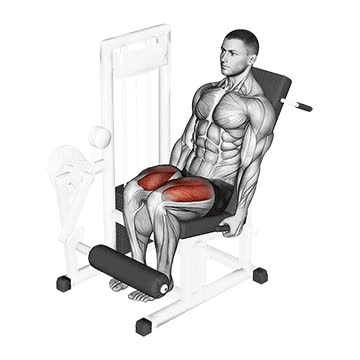
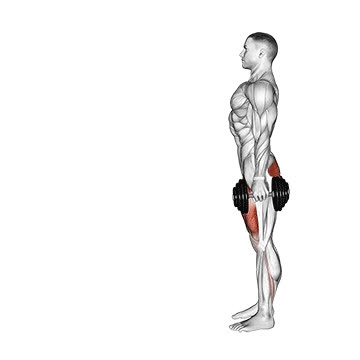
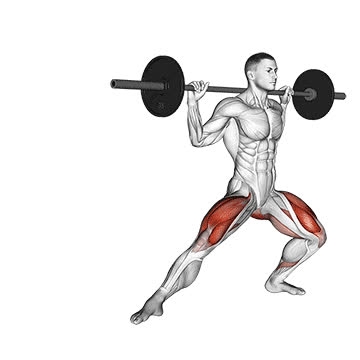
Alternatives to the resistance band leg extension
Close matches for the same muscles, with different equipment, so a busy station doesn’t stop your workout.
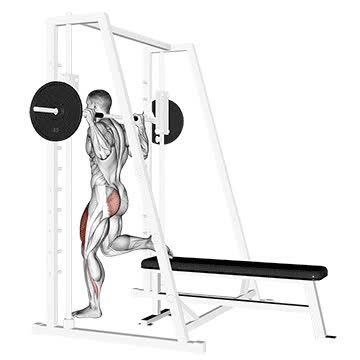
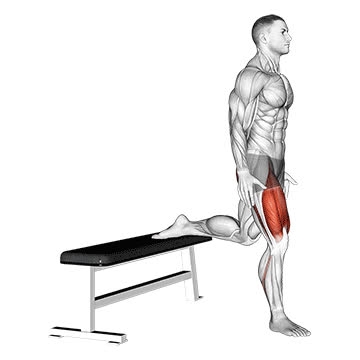
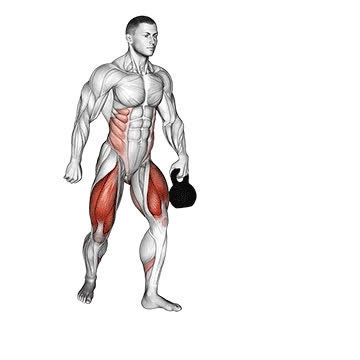
Pumpd builds the resistance band leg extension into your plan
Tell Pumpd your goal, days and equipment. It picks exercises like this one, sets your sets and reps, and balances weekly sets for every muscle.
See it in a real week: Upper / Lower
Questions about the resistance band leg extension
Is the resistance band leg extension suitable for beginners?
Yes, the resistance band leg extension is suitable for beginners as it allows for adjustable resistance. Starting with light resistance helps you focus on form and gradually increase the challenge as you gain strength.
What are good complementing exercises for the resistance band leg extension?
Good complementing exercises include resistance band squats, leg curls, and lunges. These target different muscle groups in the legs and enhance overall leg strength and stability.
Can I do the resistance band leg extension at home?
Absolutely! The resistance band leg extension can be easily performed at home since it requires minimal space and equipment. It's a convenient way to strengthen your legs without needing a gym.
Does the resistance band leg extension help build muscle or lose fat?
The resistance band leg extension primarily builds muscle by targeting the quadriceps. While it aids in muscle development, incorporating cardiovascular activities alongside can help promote fat loss.
Free on iOS and Android.
Build your plan here, then run it in the app.