London Bridge
The London Bridge exercise primarily targets the latissimus dorsi muscles while also engaging the traps, deltoids, biceps, and forearms. This compound movement is beneficial for building upper body strength and improving overall muscle coordination.
- Primary muscle
- Lats
- Also works
- Traps, Rear delts, Biceps
- Equipment
- Specialized
- Type
- Compound
How to do the london bridge
- Attach the rope to a high anchor point that can safely support your weight.
- Stand facing the rope with your feet shoulder-width apart.
- Grasp the rope with both hands, using an overhand grip, palms facing each other.
- Lean back slightly to create tension in the rope, keeping your arms extended and body straight.
- Engage your core and maintain a straight line from head to heels.
- Use your arms and back to pull yourself upwards along the rope, squeezing your shoulder blades together as you do so.
- Climb hand over hand, pulling with your arms and pressing your feet against the rope for support.
- Ensure to engage your core throughout the movement to stabilize the body.
- Once you reach the highest point you can, carefully reverse the motion, lowering yourself back down to the starting position in a controlled manner.
- Repeat for the desired number of repetitions, ensuring to maintain proper form throughout.
Benefits, mistakes and tips
Benefits
- Enhances upper body strength and muscle definition.
- Improves grip strength by engaging forearm muscles.
- Promotes better posture through strengthening of back muscles.
- Targets multiple muscle groups for a comprehensive workout.
- Increases stability and control in upper body movements.
Common mistakes
- Rounding the back, which can lead to injury.
- Using too much weight, compromising form and technique.
- Not engaging the core for stability during the movement.
- Overextending the arms, which reduces effectiveness.
- Neglecting proper breathing patterns throughout the exercise.
Form tips
- Maintain a neutral spine to protect your back.
- Engage your core to enhance stability.
- Focus on controlled movements rather than speed.
- Ensure proper shoulder alignment to prevent strain.
- Warm-up adequately to prepare your muscles for the exercise.
Alternatives to the london bridge
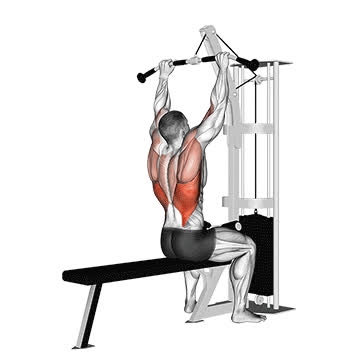
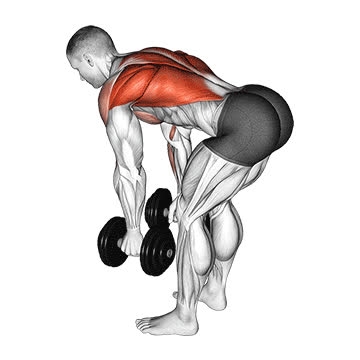
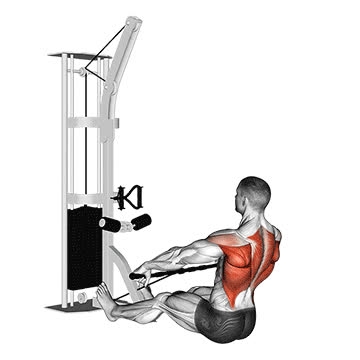
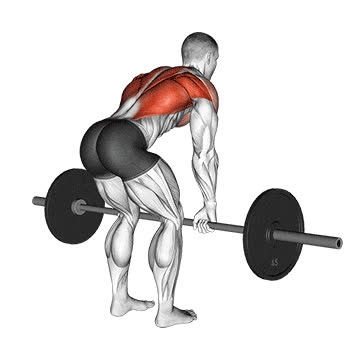
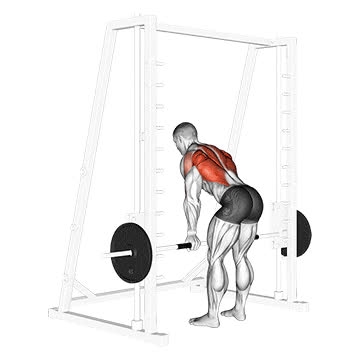
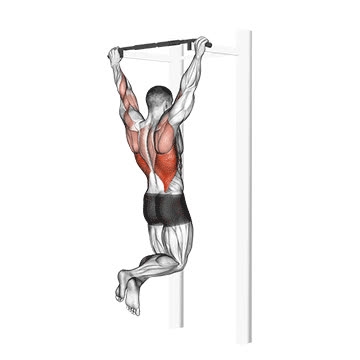
Close matches for the same muscles, with different equipment, so a busy station doesn’t stop your workout.
Add the london bridge to your plan
Pumpd builds your program from your goal, days and equipment. Every exercise here is in the app, so you can add this one to any day.
Questions about the london bridge
Is the London Bridge suitable for beginners?
While the London Bridge can be modified for beginners, it may be challenging due to the specialized equipment required. Beginners should focus on building foundational strength with easier exercises before tackling this movement.
What are good complementing exercises for the London Bridge?
Complementing exercises include pull-ups, dumbbell rows, and lat pulldowns. These movements target similar muscle groups, enhancing overall back strength and promoting better performance in the London Bridge.
Can I do the London Bridge at home?
The London Bridge typically requires specialized equipment that might not be available at home. However, modifications using resistance bands or bodyweight variations can be performed at home to still engage the lats and upper body.
Does the London Bridge help build muscle or lose fat?
The London Bridge effectively builds muscle by targeting multiple upper body muscle groups, which can increase metabolism and support fat loss when paired with a balanced diet and cardio.
Free on iOS and Android.
Build your plan here, then run it in the app.