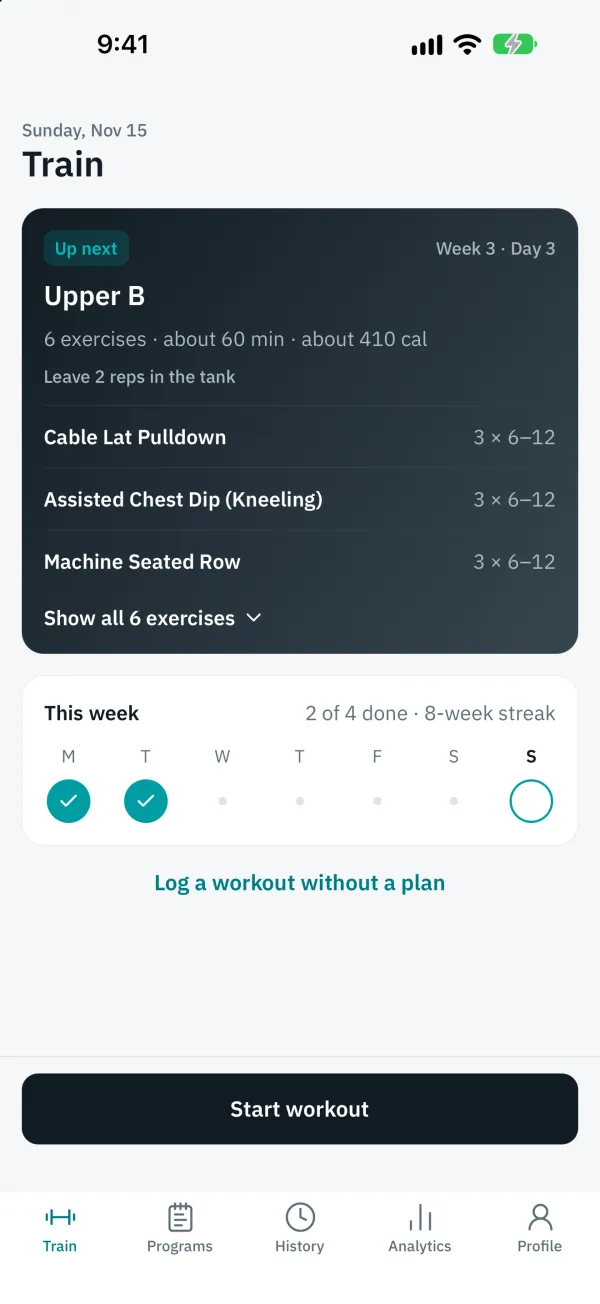
L-Pull-Up
The L-Pull-Up is a dynamic upper body exercise that targets the lats, engaging the core throughout the movement. This exercise not only boosts strength in the back but also improves overall stability and control, making it a valuable addition to any fitness routine.
- Primary muscle
- Lats
- Also works
- Biceps
- Equipment
- Pull-up bar
- Type
- Compound
How to do the l-pull-up
- Stand below the pull-up bar and grasp it with an overhand grip, slightly wider than shoulder-width apart.
- Engage your core and legs, lifting your legs straight out in front of you to form an "L" shape. Your legs should be parallel to the ground.
- While maintaining the "L" position, pull your torso up by engaging your lats and biceps, keeping your elbows close to your body.
- Continue pulling until your chin is above the bar, ensuring your core remains tight and your legs stay elevated.
- Pause briefly at the top of the movement to emphasize control and strength.
- Slowly lower your body back down, maintaining the "L" position with your legs extended until your arms are fully extended and you're in the starting position.
- Repeat the pull-up for the desired number of repetitions, ensuring your form remains consistent throughout.
Benefits, mistakes and tips
Benefits
- Increases upper body strength, particularly in the lats and biceps.
- Enhances core stability due to the L-sit position.
- Improves grip strength.
- Develops shoulder stability and control.
- Engages multiple muscle groups for a full-body workout.
Common mistakes
- Letting the legs drop, compromising form.
- Not engaging the core, leading to poor stability.
- Rushing through repetitions, reducing effectiveness.
- Using momentum instead of controlled strength to pull up.
- Neglecting proper grip positioning on the pull-up bar.
Form tips
- Maintain a strong core to keep legs elevated in the L-position.
- Use a wide grip to better engage the lats.
- Focus on a slow, controlled ascent and descent to maximize muscle engagement.
- Warm up thoroughly to prepare shoulders and wrists.
- Perform the movement with a full range of motion for optimal results.
Alternatives to the l-pull-up
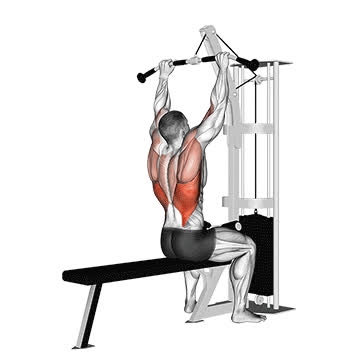
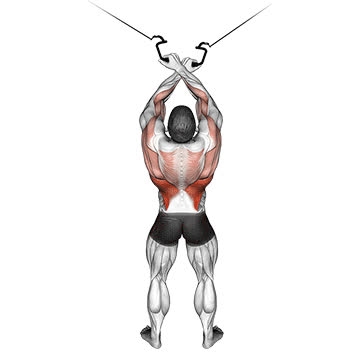
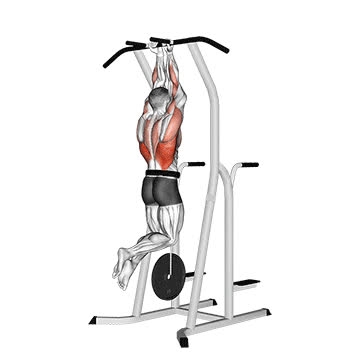
Close matches for the same muscles, with different equipment, so a busy station doesn’t stop your workout.
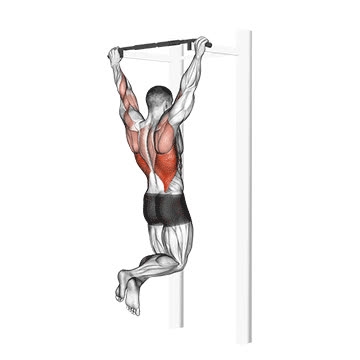
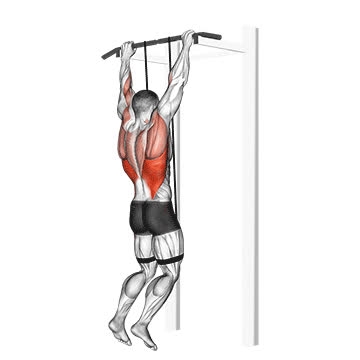
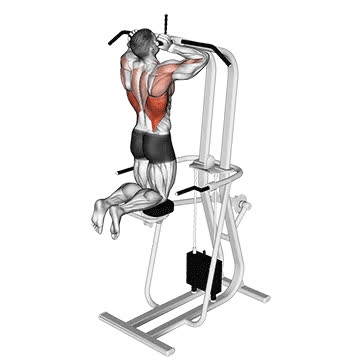
Add the l-pull-up to your plan
Pumpd builds your program from your goal, days and equipment. Every exercise here is in the app, so you can add this one to any day.
Questions about the l-pull-up
Is the L-Pull-Up suitable for beginners?
The L-Pull-Up can be challenging for beginners due to the required core strength and shoulder stability. It’s advisable for beginners to first master standard pull-ups and build core strength with exercises like leg raises before attempting the L-Pull-Up.
What are good complementing exercises for the L-Pull-Up?
Complement the L-Pull-Up with exercises such as pull-ups, chin-ups, core exercises like planks, and back extensions. This combination helps develop the necessary strength and stability for the L-Pull-Up.
Can I do the L-Pull-Up at home?
Yes, the L-Pull-Up can be performed at home if you have access to a sturdy pull-up bar. Make sure to have adequate space and ensure the bar is securely installed before performing the exercise.
Does the L-Pull-Up help build muscle or lose fat?
The L-Pull-Up is excellent for building muscle, particularly in the back, arms, and core. While it contributes to overall strength, combining it with a balanced diet and cardio can help with fat loss.
Free on iOS and Android.
Build your plan here, then run it in the app.