Handstand Push-Up
The handstand push-up is an advanced bodyweight exercise that primarily targets the pectorals while simultaneously engaging the deltoids, triceps, and core muscles. This challenging movement builds upper body strength, stability, and balance, making it a valuable addition to any workout routine.
- Primary muscle
- Chest
- Also works
- Front delts, Triceps
- Equipment
- None
- Type
- Compound
How to do the handstand push-up
- Find a sturdy wall and stand a few feet away from it, facing away from the wall.
- Place both hands on the ground shoulder-width apart to create a stable base.
- Kick your feet up against the wall to enter a handstand position. Ensure your body is straight from head to heels, with your core engaged.
- Maintain a strong, neutral neck position by looking slightly forward.
- Bend your elbows slowly to lower your head towards the ground, keeping your body aligned and core tight throughout the movement.
- Pause briefly at the bottom of the movement.
- Push through your hands to extend your arms and lift your body back to the starting handstand position against the wall.
- Ensure your elbows are slightly bent at the top to avoid locking them out completely.
- Repeat the movement for the desired number of repetitions, maintaining control to ensure safety and effectiveness.
- To exit the handstand, gently lower one leg at a time back to the ground.
Benefits, mistakes and tips
Benefits
- Enhances upper body strength and muscle definition.
- Improves balance and body control.
- Engages core muscles for stability.
- Increases shoulder flexibility and mobility.
- Great for boosting overall functional fitness.
Common mistakes
- Neglecting proper form and alignment, leading to potential injury.
- Using momentum instead of controlled movement for the push-up.
- Not engaging the core, which can cause instability.
- Flaring elbows out excessively, increasing shoulder strain.
- Not fully extending arms at the top for maximum benefit.
Form tips
- Ensure a strong foundation by placing hands shoulder-width apart.
- Engage your core and maintain a straight body line.
- Start practicing against a wall to build confidence and strength.
- Focus on controlled movement rather than speed.
- Warm up adequately to prevent shoulder injuries.
Alternatives to the handstand push-up
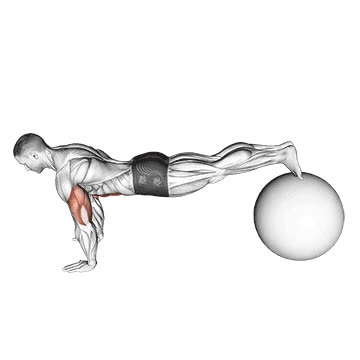
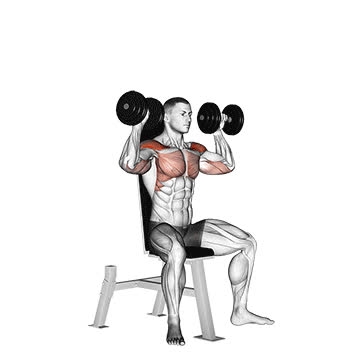
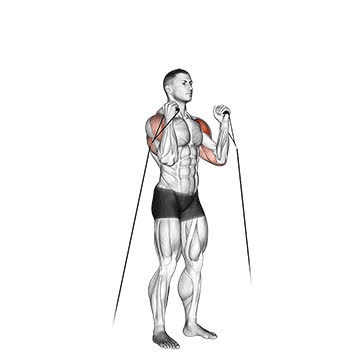
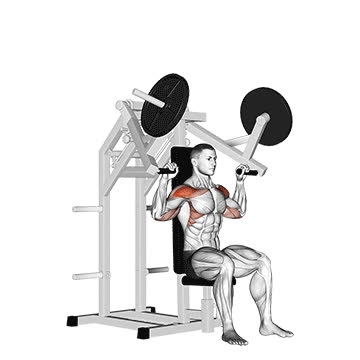
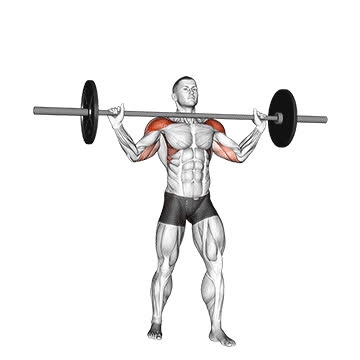
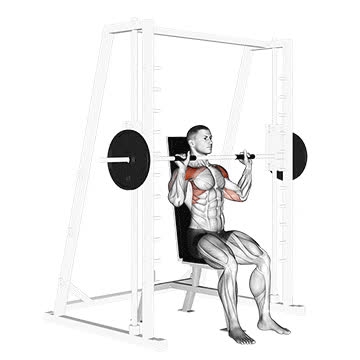
Close matches for the same muscles, with different equipment, so a busy station doesn’t stop your workout.
Add the handstand push-up to your plan
Pumpd builds your program from your goal, days and equipment. Every exercise here is in the app, so you can add this one to any day.
Questions about the handstand push-up
Is the handstand push-up suitable for beginners?
The handstand push-up is not typically recommended for beginners due to its complexity and strength requirements. Newcomers should first develop foundational strength with basic push-ups and shoulder exercises, then gradually progress to handstands and assisted variations before attempting handstand push-ups.
What are good complementing exercises for the handstand push-up?
Complementing exercises include pike push-ups, shoulder press, and planche push-ups. These movements build shoulder and upper body strength while improving coordination, making them excellent preparatory exercises for mastering the handstand push-up.
Can I do the handstand push-up at home?
Yes, you can perform handstand push-ups at home, especially if you have a clear wall for support. Ensure you have enough space and a soft surface to protect your head and shoulders while practicing.
Does the handstand push-up help build muscle or lose fat?
Handstand push-ups primarily build muscle, especially in the upper body and core. By incorporating them into a balanced workout routine alongside cardio, they can also contribute to fat loss by increasing overall strength and metabolic demand.
Free on iOS and Android.
Build your plan here, then run it in the app.