Dumbbell Seated Single-Arm Bicep Curl with Leg Raised (On Exercise Ball)
The dumbbell seated single-arm bicep curl with leg raised on an exercise ball is an advanced strength exercise that primarily targets the biceps while also engaging the forearms. This unique position enhances core stability and balance, making it a valuable addition to any upper body workout routine.
- Primary muscle
- Biceps
- Also works
- Forearms
- Equipment
- Dumbbell, Exercise ball
- Type
- Isolation
- Sides
- One side at a time
How to do the dumbbell seated single-arm bicep curl with leg raised (on exercise ball)
- Sit on an exercise ball with your back straight and one foot flat on the ground while the other leg is extended and raised in front of you.
- Hold a dumbbell in one hand with your palm facing up and your arm fully extended by your side.
- Ensure the raised leg is stable and your core is engaged to maintain balance on the ball.
- Place your other hand on your hip or extend it to the side for additional balance if needed.
- Slowly curl the dumbbell towards your shoulder, keeping your upper arm stationary and close to your body.
- Pause at the top of the movement, squeezing your bicep momentarily.
- Slowly lower the dumbbell back to the starting position, maintaining control.
- Repeat for the desired number of repetitions, focusing on form and control.
- Switch arms and repeat the exercise on the other side, ensuring balance by alternating the raised leg as well.
Benefits, mistakes and tips
Benefits
- Increases bicep strength and muscle definition.
- Engages core muscles for improved stability.
- Enhances balance and coordination.
- Allows for isolation of one arm, correcting muscle imbalances.
- Provides a functional movement pattern that can enhance daily activities.
Common mistakes
- Using excessive weight, leading to poor form.
- Not fully extending the arm at the bottom of the curl.
- Neglecting core engagement, which can result in instability.
- Performing the exercise too quickly, reducing effectiveness.
- Failing to maintain proper posture, which can lead to strain.
Form tips
- Choose a manageable weight to maintain control throughout the exercise.
- Engage your core and maintain a straight back for better stability.
- Perform the curl slowly, focusing on the muscle contraction.
- Alternate arms for even development and balance.
- Use the exercise ball to challenge your stability further, but ensure it's properly inflated.
Alternatives to the dumbbell seated single-arm bicep curl with leg raised (on exercise ball)
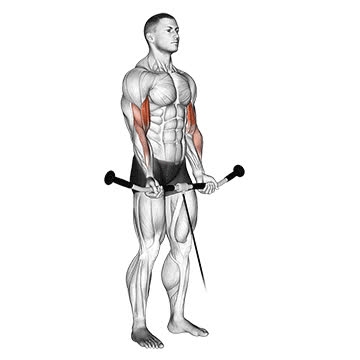
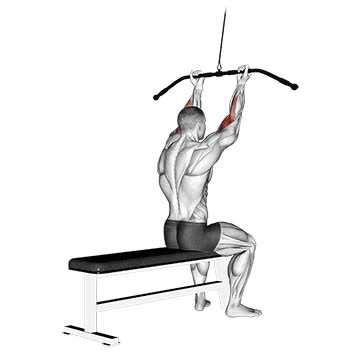
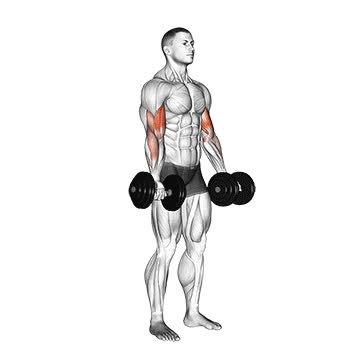
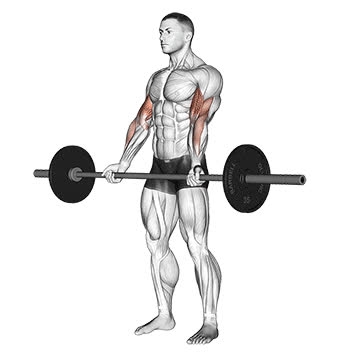
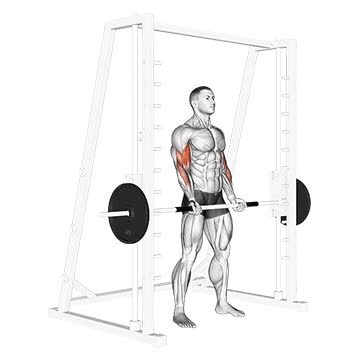
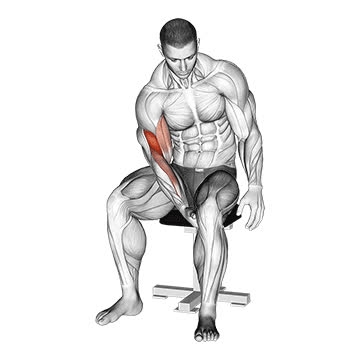
Close matches for the same muscles, with different equipment, so a busy station doesn’t stop your workout.
Add the dumbbell seated single-arm bicep curl with leg raised (on exercise ball) to your plan
Pumpd builds your program from your goal, days and equipment. Every exercise here is in the app, so you can add this one to any day.
Questions about the dumbbell seated single-arm bicep curl with leg raised (on exercise ball)
Is the dumbbell seated single-arm bicep curl with leg raised (on exercise ball) suitable for beginners?
This exercise may not be ideal for beginners due to the balance and core stability required. It’s better to master simpler bicep curls and stability exercises before progressing.
What are good complementing exercises for the dumbbell seated single-arm bicep curl with leg raised (on exercise ball)?
Good complementing exercises include tricep dips, shoulder presses, and bent-over rows. These moves engage other upper body muscles, promoting balanced development.
Can I do the dumbbell seated single-arm bicep curl with leg raised (on exercise ball) at home?
Yes, you can easily perform this exercise at home if you have a dumbbell and an exercise ball. Just ensure you have enough space to maintain balance.
Does the dumbbell seated single-arm bicep curl with leg raised (on exercise ball) help build muscle or lose fat?
This exercise primarily builds muscle in the biceps. However, as part of a well-rounded workout routine, it can contribute to fat loss by increasing overall muscle mass.
Free on iOS and Android.
Build your plan here, then run it in the app.