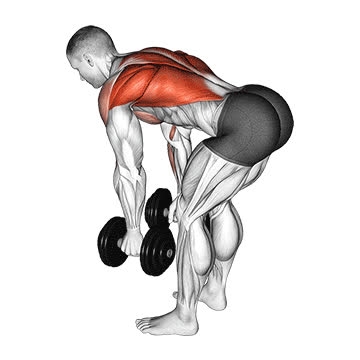
Dumbbell Reverse-Grip Row
The dumbbell reverse-grip row is a powerful upper body exercise primarily targeting the lats while effectively engaging the traps, deltoids, biceps, and forearms. This exercise enhances your pulling strength and promotes better posture, making it valuable for both aesthetics and functional fitness.
- Primary muscle
- Lats
- Also works
- Traps, Rear delts, Biceps
- Equipment
- Dumbbell
- Type
- Compound
How to do the dumbbell reverse-grip row
- Stand with your feet shoulder-width apart and knees slightly bent.
- Hold a dumbbell in each hand with a reverse grip, palms facing forward rather than towards your body.
- Bend forward at the hips while maintaining a straight back and engaged core.
- Allow your arms to hang directly below your shoulders, keeping a slight bend in your elbows.
- Pull the dumbbells upward towards your ribcage, focusing on squeezing your shoulder blades together at the top of the movement.
- Pause briefly at the top to maximize engagement of the back muscles, then slowly lower the dumbbells back to the starting position, fully extending your arms.
- Ensure your neck remains neutral and your eyes look slightly ahead to maintain proper spine alignment.
- Repeat for the desired number of repetitions.
Benefits, mistakes and tips
Benefits
- Strengthens the lats for improved back definition.
- Enhances grip strength through forearm engagement.
- Promotes better posture by activating the upper back muscles.
- Encourages balanced muscle development in the upper body.
- Can aid in injury prevention by strengthening supporting muscle groups.
Common mistakes
- Using excessive weight, leading to compromised form.
- Not engaging the core, risking lower back strain.
- Pulling the weights too high, reducing lat activation.
- Rounding the shoulders instead of keeping them retracted.
- Neglecting to fully extend the arms, limiting the range of motion.
Form tips
- Maintain a neutral spine to avoid straining your back.
- Focus on squeezing the shoulder blades together at the top of the movement.
- Keep elbows close to the body for optimal lat engagement.
- Breathe out during the pulling motion and inhale on the return.
- Start with a lighter weight to master the form before increasing resistance.
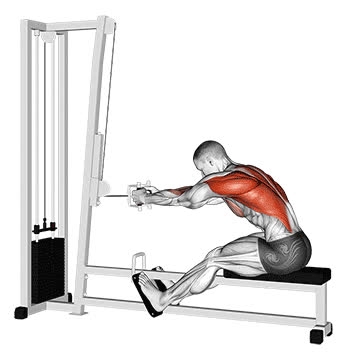
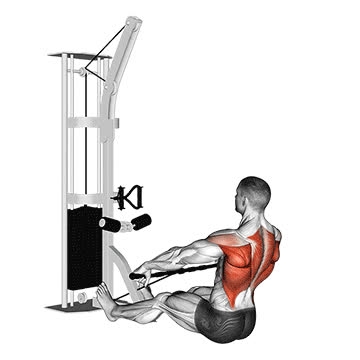
Alternatives to the dumbbell reverse-grip row
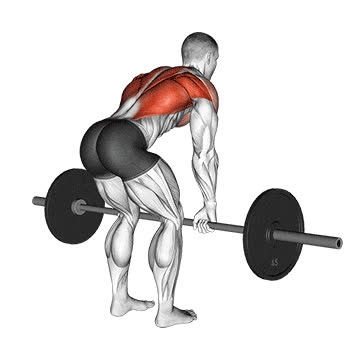
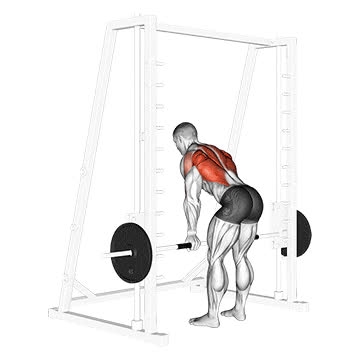
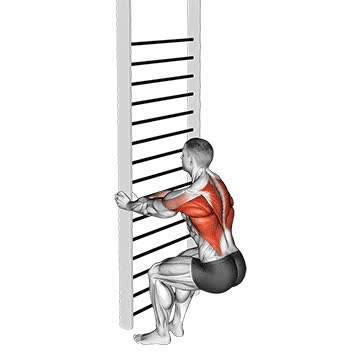
Close matches for the same muscles, with different equipment, so a busy station doesn’t stop your workout.
Pumpd builds the dumbbell reverse-grip row into your plan
Tell Pumpd your goal, days and equipment. It picks exercises like this one, sets your sets and reps, and balances weekly sets for every muscle.
Questions about the dumbbell reverse-grip row
Is the dumbbell reverse-grip row suitable for beginners?
Yes, the dumbbell reverse-grip row can be suitable for beginners, provided they start with lighter weights and prioritize proper form. This exercise allows for a good introduction to rowing movements while targeting multiple muscle groups, promoting overall upper body strength.
What are good complementing exercises for the dumbbell reverse-grip row?
Good complementing exercises include pull-ups for added lat engagement, dumbbell bench presses for overall upper body strength, and planks to activate the core for stability during rowing movements.
Can I do the dumbbell reverse-grip row at home?
Absolutely! The dumbbell reverse-grip row can easily be performed at home with just a pair of dumbbells. It's a convenient upper body exercise that requires minimal space and equipment.
Does the dumbbell reverse-grip row help build muscle or lose fat?
The dumbbell reverse-grip row primarily helps build muscle in the upper body, contributing to overall muscle mass. While it can aid in fat loss as part of a well-rounded strength training and cardiovascular routine, muscle building is its primary function.
Free on iOS and Android.
Build your plan here, then run it in the app.