Dumbbell Incline Shoulder Raise
The dumbbell incline shoulder raise is an effective exercise that targets the deltoid muscles while also engaging the pectorals and trapezius. This movement is particularly beneficial for developing shoulder strength and stability, enhancing upper body aesthetics, and improving overall shoulder function.
- Primary muscle
- Front delts
- Equipment
- Bench, Dumbbell
- Type
- Isolation
How to do the dumbbell incline shoulder raise
- Set an incline bench to a 45-degree angle.
- Sit on the bench with your feet flat on the floor, a dumbbell in each hand, and your back fully supported by the bench.
- Hold the dumbbells on your thighs with your palms facing your body.
- Lean back onto the bench and use your thighs to help lift the dumbbells to shoulder height.
- Rotate your wrists so that your palms are facing forward.
- Exhale and push the dumbbells directly overhead, keeping your elbows slightly bent.
- Pause briefly at the top of the movement, maintaining control.
- Inhale and slowly lower the dumbbells back to the starting position at shoulder height.
- Ensure your core is engaged and your back remains stable throughout the movement.
- Repeat for the desired number of repetitions.
Benefits, mistakes and tips
Benefits
- Isolates and strengthens the deltoids.
- Enhances shoulder stability and mobility.
- Engages multiple upper body muscles for balanced development.
- Improves muscle aesthetics, particularly in the shoulders and upper chest.
- Can help prevent shoulder injuries with proper form.
Common mistakes
- Lifting weights that are too heavy, leading to poor form.
- Reducing range of motion by not lifting enough or lowering too much.
- Using momentum instead of muscle control during the raise.
- Failing to maintain a neutral spine, which can lead to strain.
- Not adjusting the bench angle, which can limit muscle engagement.
Form tips
- Keep a neutral spine throughout the movement to avoid injury.
- Focus on a controlled ascent and descent for maximum muscle engagement.
- Choose an appropriate weight to maintain form without sacrificing intensity.
- Ensure the bench angle is set to 30-45 degrees for optimal muscle targeting.
- Breathe out on the lift and inhale on the descent to stabilize your core.
Alternatives to the dumbbell incline shoulder raise
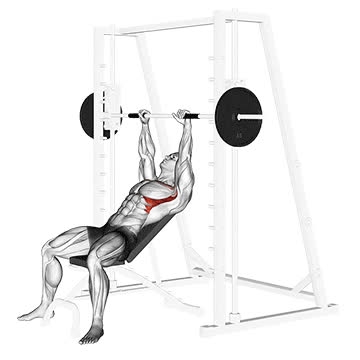
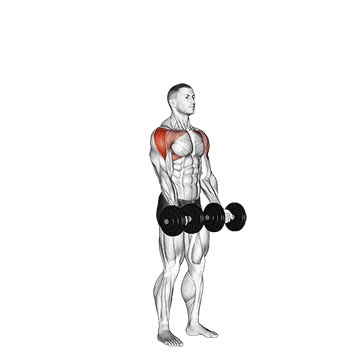
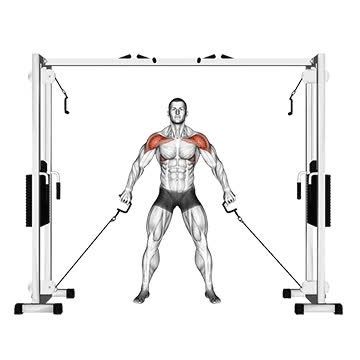
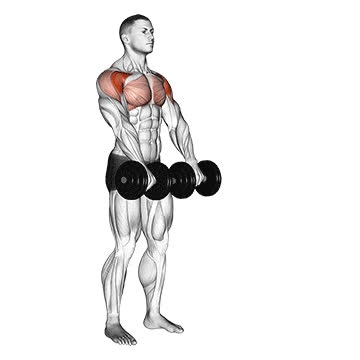
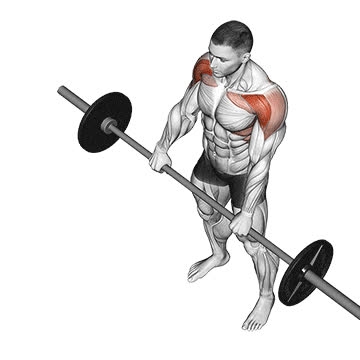
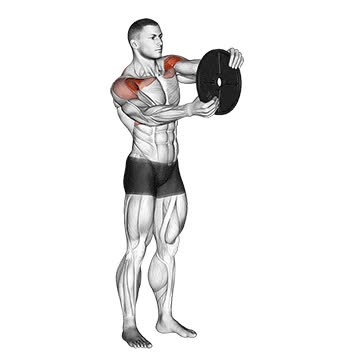
Close matches for the same muscles, with different equipment, so a busy station doesn’t stop your workout.
Add the dumbbell incline shoulder raise to your plan
Pumpd builds your program from your goal, days and equipment. Every exercise here is in the app, so you can add this one to any day.
Questions about the dumbbell incline shoulder raise
Is the dumbbell incline shoulder raise suitable for beginners?
Yes, the dumbbell incline shoulder raise is suitable for beginners, especially when using lighter weights. It’s important to start with a manageable weight to master the form before progressing to heavier loads. Additionally, beginners can adjust the bench angle to reduce the intensity if needed.
What are good complementing exercises for the dumbbell incline shoulder raise?
Complementing exercises include the seated dumbbell press, lateral raise, and push-ups. These exercises can help develop well-rounded shoulder strength and target related muscle groups for balanced growth.
Can I do the dumbbell incline shoulder raise at home?
Yes, you can perform the dumbbell incline shoulder raise at home as long as you have a set of dumbbells and an adjustable bench. If you don’t have a bench, you can improvise with a sturdy surface that allows for an incline.
Does the dumbbell incline shoulder raise help build muscle or lose fat?
The dumbbell incline shoulder raise primarily helps build muscle, especially in the shoulders, when performed correctly and consistently. While it contributes to overall muscle gain, incorporating it into a balanced workout routine alongside cardiovascular exercises can aid in fat loss.
Free on iOS and Android.
Build your plan here, then run it in the app.