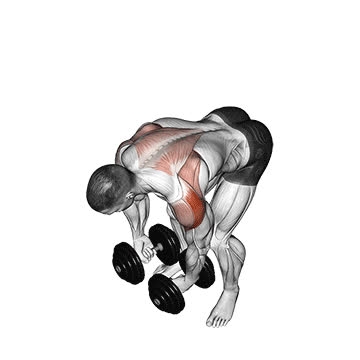
Barbell Skier
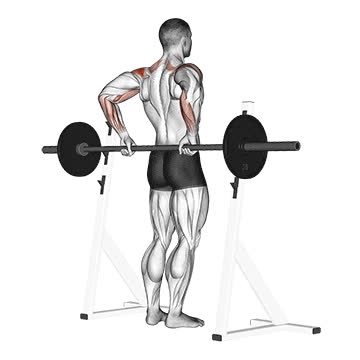
The barbell skier is an effective exercise that primarily targets the deltoids while also engaging the rotator cuff and traps. This movement is excellent for developing shoulder stability and strength, making it beneficial for various overhead activities in sports and daily life.
- Primary muscle
- Rear delts
- Also works
- Rotator cuff, Traps
- Equipment
- Barbell
- Type
- Isolation
How to do the barbell skier
- Stand with your feet shoulder-width apart, holding a barbell in front of your thighs with an overhand grip.
- Bend your knees slightly and hinge forward at the hips while keeping your back straight and your chest up. Your torso should be at a slight angle, similar to the starting position of a deadlift.
- Initiate the movement by driving the hips forward and pulling the barbell upward, leading with your elbows while keeping the bar close to your body.
- As you lift the barbell, rise onto your toes, mimicking a jumping motion without actually leaving the ground.
- Once the barbell reaches shoulder height, pause briefly and ensure your core is engaged to maintain balance.
- Quickly but carefully reverse the motion, controlling the barbell as you return it to the starting position with your arms fully extended and your back in the initial hinge position.
- Perform the exercise in controlled repetitions, maintaining proper form throughout.
Benefits, mistakes and tips
Benefits
- Strengthens the deltoids and upper back muscles.
- Enhances shoulder stability and mobility.
- Improves posture by engaging stabilizing muscles.
- Can help prevent injuries by developing rotator cuff strength.
- Versatile; can be adapted to various training routines.
Common mistakes
- Using too much weight, compromising form.
- Not keeping the core engaged, leading to instability.
- Allowing the shoulders to shrug instead of keeping them down and back.
- Focusing solely on the arms instead of the entire upper body movement.
- Failing to maintain a neutral spine, risking injury.
Form tips
- Start with a manageable weight to master form before increasing.
- Engage your core throughout the movement for better stability.
- Keep your elbows slightly bent to reduce strain on the joints.
- Concentrate on smooth, controlled movements rather than speed.
- Make sure to breathe evenly; exhale on exertion.
Alternatives to the barbell skier
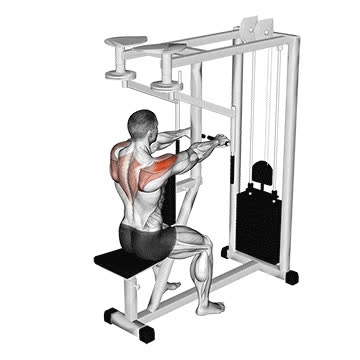
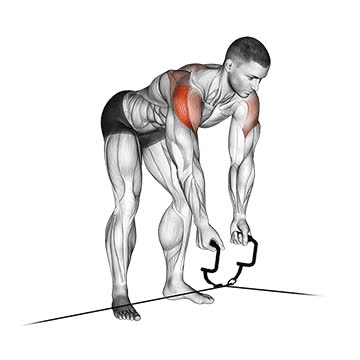
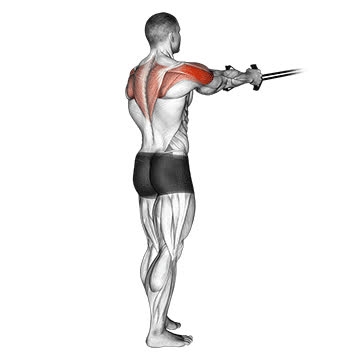
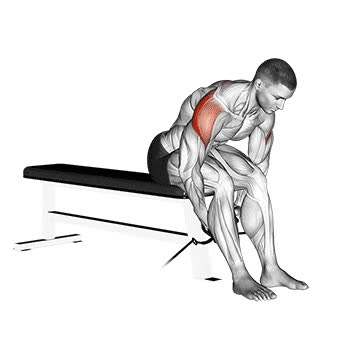
Close matches for the same muscles, with different equipment, so a busy station doesn’t stop your workout.
Pumpd builds the barbell skier into your plan
Tell Pumpd your goal, days and equipment. It picks exercises like this one, sets your sets and reps, and balances weekly sets for every muscle.
Questions about the barbell skier
Is the Barbell Skier suitable for beginners?
While the Barbell Skier can be performed by beginners, it's recommended to start with lighter weights to focus on proper form and technique. Learning these fundamentals will provide a solid foundation for safely progressing to heavier weights.
What are good complementing exercises for the Barbell Skier?
Complementing exercises include overhead presses for overall shoulder strength, lateral raises to target the deltoids, and face pulls to enhance upper back stability. Incorporating these will provide a well-rounded shoulder workout.
Can I do the Barbell Skier at home?
Yes, you can do the Barbell Skier at home if you have access to a barbell and enough space. Ensure your area is clear for safe movement and consider using lighter weights if you're working out in a tighter space.
Does the Barbell Skier help build muscle or lose fat?
The Barbell Skier primarily helps build muscle in the shoulders and upper back. While it can aid fat loss when incorporated into a comprehensive fitness routine, muscle gain is its primary benefit.
Free on iOS and Android.
Build your plan here, then run it in the app.