Barbell Single-Arm Snatch
The barbell single-arm snatch is a dynamic, full-body exercise primarily targeting the quadriceps while engaging multiple muscle groups for a comprehensive workout. This lift enhances athletic performance, coordination, and strength, making it a valuable addition to any training regimen.
- Primary muscle
- Quads
- Equipment
- Barbell
- Type
- Compound
- Sides
- One side at a time
How to do the barbell single-arm snatch
- Stand with your feet shoulder-width apart, toes pointing slightly outward for balance.
- Position the barbell on the floor in front of you. Use one hand to grip the barbell with an overhand grip, slightly wider than shoulder-width apart.
- Bend your knees and lower your hips into a squat position, keeping your back straight and your chest up. Your other arm can be extended to the side for balance.
- Engage your core and prepare for the lift by focusing on your posture and grip strength.
- Explosively extend through your hips, knees, and ankles to initiate the lift, driving the barbell upward in a straight line.
- As the barbell rises past the hips, pull with your arm, keeping the bar close to your body, and rotate your shoulder to bring your elbow directly beneath the bar.
- Continue the upward movement and, once the barbell reaches your chest, quickly extend your arm straight overhead, locking out your elbow. Your arm should be fully extended with the elbow facing forward.
- Stabilize the weight overhead, keeping your core engaged to maintain balance.
- Lower the barbell back to the starting position in a controlled manner, maintaining control and balance throughout the motion.
- Repeat for the desired number of repetitions before switching arms. Always ensure both sides are adequately worked for balanced development.
Benefits, mistakes and tips
Benefits
- Develops explosive power and strength.
- Improves coordination and balance.
- Engages multiple muscle groups simultaneously.
- Increases functional fitness for athletic activities.
- Enhances core stability and grip strength.
Common mistakes
- Using improper form, which can lead to injury.
- Failing to engage the core throughout the lift.
- Not keeping the bar close to the body during the pull.
- Overextending the back, leading to strain.
- Lifting too heavy too quickly, risking form breakdown.
Form tips
- Start with a lightweight to master the technique before progressing.
- Keep your core tight to maintain stability and support.
- Focus on explosive hip extension to drive the weight upward.
- Utilize a neutral grip for better control of the barbell.
- Ensure to land softly under the bar to reduce impact on the joints.
Alternatives to the barbell single-arm snatch
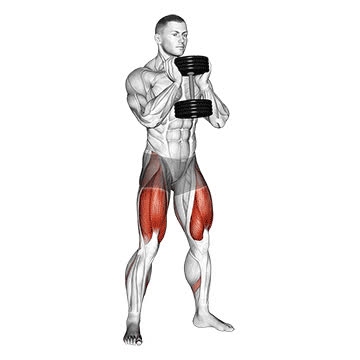
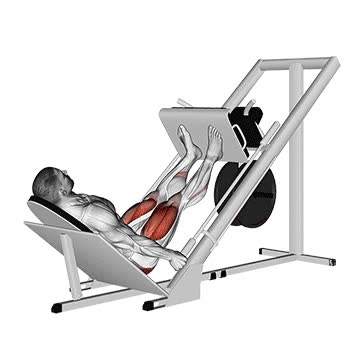
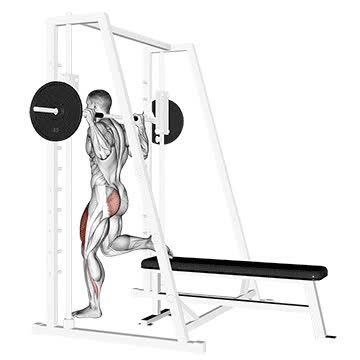
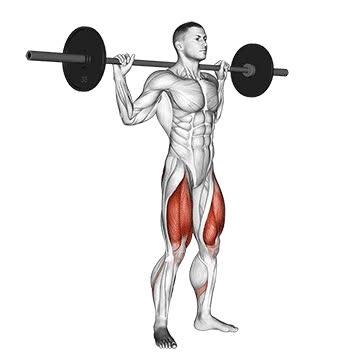
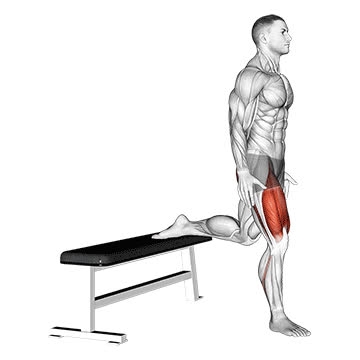
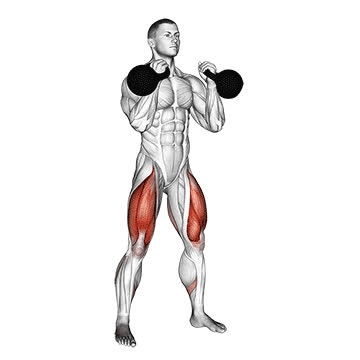
Close matches for the same muscles, with different equipment, so a busy station doesn’t stop your workout.
Add the barbell single-arm snatch to your plan
Pumpd builds your program from your goal, days and equipment. Every exercise here is in the app, so you can add this one to any day.
Questions about the barbell single-arm snatch
Is the barbell single-arm snatch suitable for beginners?
While the barbell single-arm snatch can be complex for beginners, it is suitable if performed with proper guidance. Starting with lighter weights and focusing on form is essential to ensure safety and effectiveness.
What are good complementing exercises for the barbell single-arm snatch?
Good complementing exercises include kettlebell swings for explosive power, overhead press for shoulder strength, and squats for leg development. These exercises will build strength and enhance performance in the snatch.
Can I do the barbell single-arm snatch at home?
Yes, the barbell single-arm snatch can be performed at home if you have sufficient space and a barbell. Ensure you have a secure, flat surface and consider using lighter weights if you’re training without a trainer.
Does the barbell single-arm snatch help build muscle or lose fat?
The barbell single-arm snatch aids in both building muscle and promoting fat loss. By engaging various muscle groups and increasing heart rate, it contributes to muscle hypertrophy and caloric expenditure.
Free on iOS and Android.
Build your plan here, then run it in the app.