Barbell Decline Bench Press
The barbell decline bench press is an effective upper body exercise primarily targeting the pectoral muscles. This movement also engages the deltoids and triceps, making it a great addition to any strength training routine focused on building chest size and strength.
- Primary muscle
- Chest
- Also works
- Front delts, Triceps
- Equipment
- Barbell, Bench
- Type
- Compound
How to do the barbell decline bench press
- Lie on a decline bench with your feet secured under the foot pads and your head positioned lower than your hips.
- Grasp the barbell with an overhand grip, slightly wider than shoulder-width apart. Ensure your wrists are straight and aligned with your forearms.
- Unrack the barbell by straightening your arms while maintaining control and stability, positioning the bar directly above your chest.
- Lower the barbell slowly and under control toward your chest, keeping your elbows at about a 45-degree angle from your torso to engage your pectorals effectively.
- Pause briefly when the bar is just above your chest, ensuring you have control and stability.
- Push the barbell back up by extending your arms, keeping the bar path smooth and controlled, back to the starting position above your chest.
- Ensure you fully extend your arms but do not lock your elbows at the top of the movement.
- Repeat for the desired number of repetitions, maintaining a controlled pace and form throughout each rep.
Benefits, mistakes and tips
Benefits
- Increases upper body strength and stability
- Targets the lower pecs, promoting muscle balance
- Engages stabilizing muscles for improved core strength
- Enhances overall pressing power for various lifts
- Helps improve muscle hypertrophy when trained consistently.
Common mistakes
- Not maintaining a stable grip on the barbell
- Allowing the shoulders to lift off the bench
- Lowering the barbell too quickly or uncontrolled
- Neglecting proper range of motion
- Failing to engage the core during the lift.
Form tips
- Ensure the bench is set at a proper decline angle to maximize muscle activation.
- Warm up adequately to prevent injuries, focusing on shoulder mobility.
- Use a spotter or safety bars, especially when lifting heavy weights.
- Focus on controlled movements, both in lifting and lowering the bar.
- Engage your core throughout the exercise for added stability.
Alternatives to the barbell decline bench press
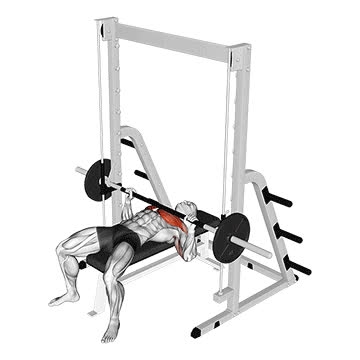
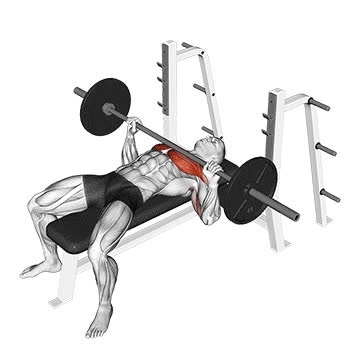
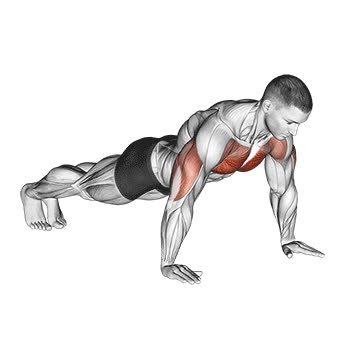
Close matches for the same muscles, with different equipment, so a busy station doesn’t stop your workout.
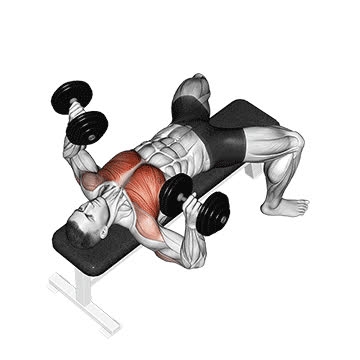
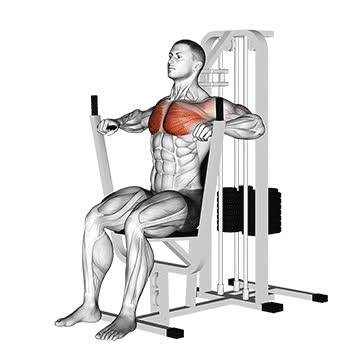
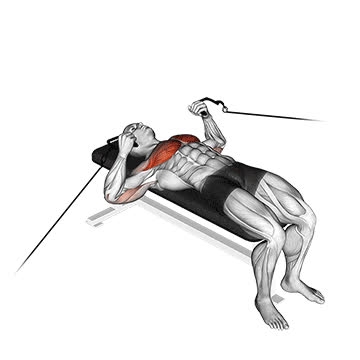
Pumpd builds the barbell decline bench press into your plan
Tell Pumpd your goal, days and equipment. It picks exercises like this one, sets your sets and reps, and balances weekly sets for every muscle.
Questions about the barbell decline bench press
Is the barbell decline bench press suitable for beginners?
Yes, the barbell decline bench press can be suitable for beginners, provided they start with light weights to master form. Beginners should consider practicing with just the barbell or using a spotter to ensure safety.
What are good complementing exercises for the barbell decline bench press?
Good complementing exercises include flat and incline bench presses, push-ups, and chest flys. These movements target different areas of the chest and will help improve overall performance in the decline bench press.
Can I do the barbell decline bench press at home?
Yes, you can do the barbell decline bench press at home if you have a decline bench and a barbell. Ensure you have enough space and use proper safety measures, like a spotter or safety pins.
Does the barbell decline bench press help build muscle or lose fat?
The barbell decline bench press primarily helps build muscle in the upper body. While it does contribute to overall caloric burn, a comprehensive workout routine with proper nutrition is essential for fat loss.
Free on iOS and Android.
Build your plan here, then run it in the app.