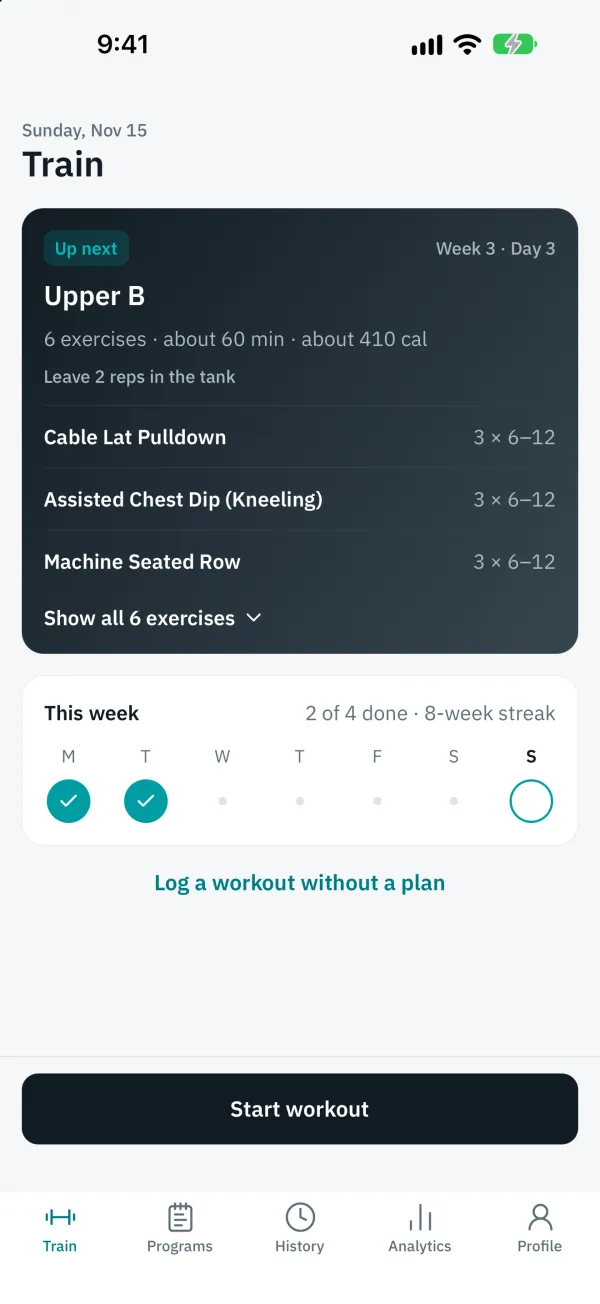
Rear Pull-Up
The rear pull-up is an advanced upper-body exercise that primarily targets the latissimus dorsi (lats) while also engaging the traps, deltoids, biceps, and forearms. This powerful movement helps build strength and muscle definition in the back, enhancing overall upper body strength for various athletic activities.
- Primary muscle
- Lats
- Also works
- Rear delts, Biceps
- Equipment
- Pull-up bar
- Type
- Compound
How to do the rear pull-up
- Stand under a pull-up bar and jump to grip it with an overhand grip, slightly wider than shoulder-width apart.
- Hang from the bar with your arms fully extended and your body straight. Keep your core engaged and legs slightly bent if needed to prevent swinging.
- Engage your back muscles, especially your lats, and start pulling your body upwards. Focus on keeping your elbows pointing down towards the floor as you pull.
- Continue pulling until your chin is above the bar, ensuring your shoulders don’t hunch up and your head doesn’t tilt forward.
- Pause briefly at the top while maintaining muscle engagement.
- Slowly lower your body back to the starting position with controlled movement, fully extending your arms.
- Repeat for the desired number of repetitions, maintaining form throughout.
Benefits, mistakes and tips
Benefits
- Strengthens the lats and upper back muscles.
- Improves grip strength and forearm endurance.
- Enhances shoulder stability and posture.
- Increases overall upper body strength and performance.
- Engages multiple muscle groups for an efficient workout.
Common mistakes
- Not using a full range of motion by not pulling up high enough.
- Swinging the body instead of using controlled movements.
- Neglecting to engage the core, leading to poor form.
- Gripping the bar too loosely, which can reduce effectiveness.
- Failing to warm up properly, increasing the risk of injury.
Form tips
- Use a slow and controlled motion to maximize muscle engagement.
- Focus on squeezing your shoulder blades together at the top of the movement.
- Maintain a tight core to stabilize your body throughout the exercise.
- Practice proper breathing techniques—exhale as you pull up, inhale as you lower.
- Consider using assistance bands if you're new to the exercise.
Alternatives to the rear pull-up
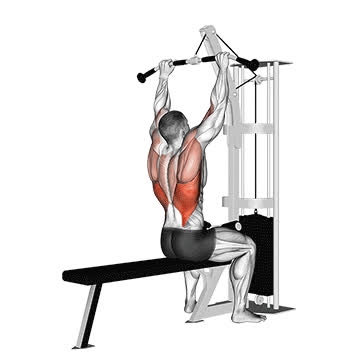
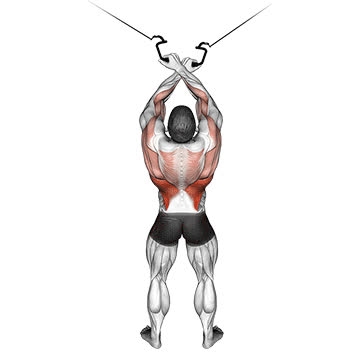
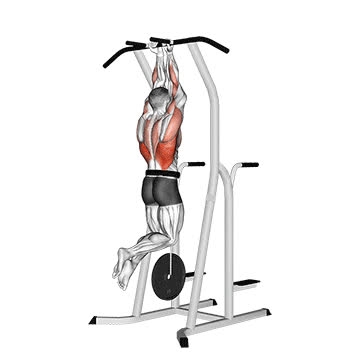
Close matches for the same muscles, with different equipment, so a busy station doesn’t stop your workout.
Add the rear pull-up to your plan
Pumpd builds your program from your goal, days and equipment. Every exercise here is in the app, so you can add this one to any day.
Questions about the rear pull-up
Is the rear pull-up suitable for beginners?
The rear pull-up is generally considered an advanced exercise, making it less suitable for complete beginners. However, those with basic pull-up skills can start with assisted variations to build the necessary strength.
What are good complementing exercises for the rear pull-up?
Complementing exercises include pull-ups, bent-over rows, and lat pulldowns, which target similar muscle groups and help build overall back strength, aiding in progression to more challenging variations.
Can I do the rear pull-up at home?
Yes, you can perform rear pull-ups at home if you have access to a sturdy pull-up bar. Alternatively, using a tree branch or a safe elevated surface can also work for this exercise.
Does the rear pull-up help build muscle or lose fat?
The rear pull-up is effective for building muscle, particularly in the upper back. As a strength training exercise, it can also aid in fat loss by increasing overall muscle mass, which boosts metabolism.
Free on iOS and Android.
Build your plan here, then run it in the app.