Modified Push-Up to Forearm
The modified push-up to forearm is an effective bodyweight exercise primarily targeting the pectorals while engaging the deltoids, triceps, and forearms. This variation is useful for individuals looking to increase upper body strength with a focus on joint stability and core engagement.
- Primary muscle
- Chest
- Also works
- Front delts, Triceps
- Equipment
- None
- Type
- Compound
How to do the modified push-up to forearm
- Start on your hands and knees in a tabletop position, aligning your shoulders over your wrists and your hips over your knees.
- Move into a modified push-up position by extending your legs so that your body forms a straight line from your head to your knees, keeping your knees on the ground.
- Ensure that your hands are directly under your shoulders, with fingers pointing forward.
- Lower your torso towards the ground by bending your elbows, keeping them close to your body, until your chest is just above the floor.
- Transition to your forearms by gently lowering them to the ground, keeping elbows directly under your shoulders and maintaining a straight line from your head to your knees.
- Pause for a moment, engaging your core and pectorals.
- Press through your palms and forearms to lift your body back to the starting position, maintaining the alignment of your body.
- Repeat for the desired number of repetitions, maintaining control and proper form throughout.
Benefits, mistakes and tips
Benefits
- Enhances upper body strength, focusing on the chest and arms.
- Improves core stability and strength due to forearm positioning.
- Reduced strain on wrists compared to traditional push-ups.
- Adaptable for different fitness levels, making it beginner-friendly.
- Can be performed anywhere without equipment.
Common mistakes
- Dropping hips too low or lifting them too high, compromising form.
- Not engaging the core, which can lead to back strain.
- Failing to keep elbows at a 45-degree angle, risking shoulder injuries.
- Rushing through the movement instead of maintaining control and proper breathing.
- Lack of a full range of motion, which limits effectiveness.
Form tips
- Keep your body in a straight line from head to heels.
- Engage your core throughout the exercise to protect your lower back.
- Lower your body until your elbows are at a 90-degree angle for maximum effectiveness.
- Exhale when pushing up, and inhale when lowering down for better breathing technique.
- Start on your knees if necessary to maintain form and build strength.
Alternatives to the modified push-up to forearm
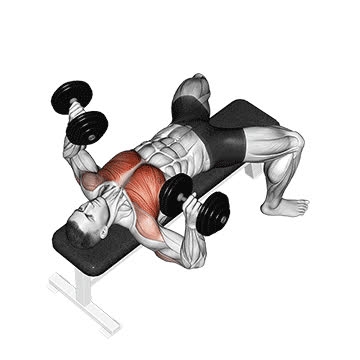
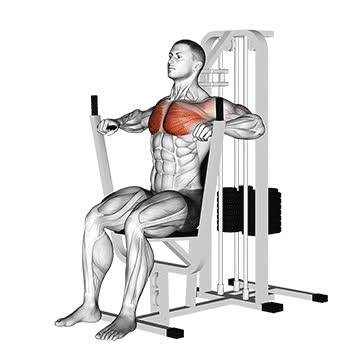
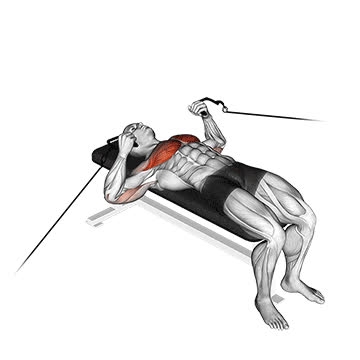
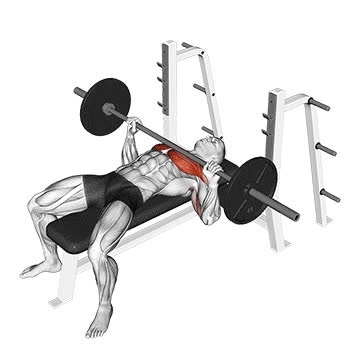
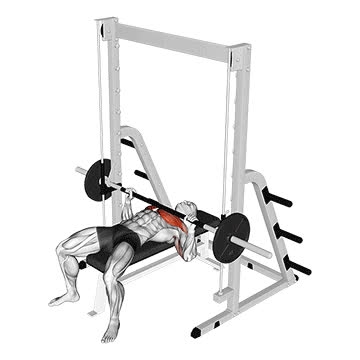
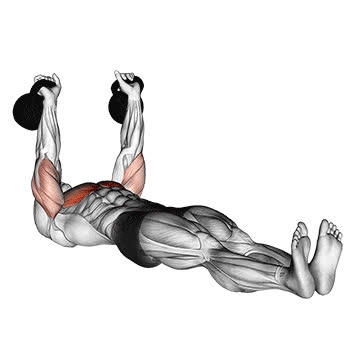
Close matches for the same muscles, with different equipment, so a busy station doesn’t stop your workout.
Add the modified push-up to forearm to your plan
Pumpd builds your program from your goal, days and equipment. Every exercise here is in the app, so you can add this one to any day.
Questions about the modified push-up to forearm
Is the modified push-up to forearm suitable for beginners?
Yes, the modified push-up to forearm is suitable for beginners. Its lower intensity and easier positioning help newcomers build strength gradually while learning proper form. Starting on your knees can also aid in mastering the movement.
What are good complementing exercises for the modified push-up to forearm?
Good complementing exercises include regular push-ups to further develop chest strength, planks for core stability, and tricep dips for arm strength. These exercises can enhance overall upper body conditioning.
Can I do the modified push-up to forearm at home?
Absolutely! The modified push-up to forearm is perfect for home workouts as it requires no equipment and can be performed in small spaces. This makes it an ideal exercise for anyone seeking to strengthen their upper body at home.
Does the modified push-up to forearm help build muscle or lose fat?
The modified push-up to forearm primarily helps build muscle in the upper body, especially in the chest, arms, and shoulders. While it can also aid in fat loss by contributing to overall calorie burn in a workout routine, its emphasis remains on strength building.
Free on iOS and Android.
Build your plan here, then run it in the app.