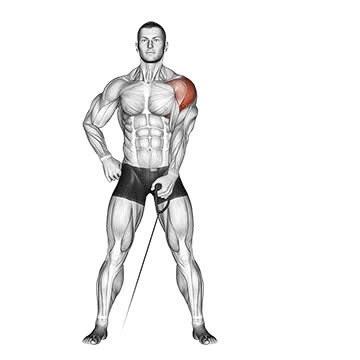
Cable Lateral Raise
The cable lateral raise is an effective exercise primarily targeting the deltoid muscles while also engaging the rotator cuff and trapezius. This exercise promotes shoulder stability and enhances shoulder aesthetics, making it a valuable addition to any strength training routine.
- Primary muscle
- Side delts
- Also works
- Traps
- Equipment
- Cable machine
- Type
- Isolation
How to do the cable lateral raise
- Position yourself in the center of a cable machine, with a handle attached to each cable at the lowest setting.
- Stand with feet shoulder-width apart and grasp each handle with an overhand grip (palms facing down).
- Cross the cables in front of you so that your left hand is holding the right cable and your right hand is holding the left cable.
- Keep a slight bend in your elbows to reduce tension on the joints. Your arms should be in front of your body with a slight bend at the elbow.
- Stand upright with your core engaged and back straight. Maintain a slight bend in your knees for stability.
- Inhale and brace your core, keeping your arms close to your body.
- Exhale as you lift your arms out to the sides, keeping them extended until they are at shoulder height and parallel to the floor. The motion should only come from your shoulders.
- Pause for a moment at the top, focusing on squeezing your shoulder muscles.
- Inhale as you gradually lower the handles back to the starting position with control, avoiding any sudden drops.
- Ensure your core remains tight and your spine stays neutral throughout the exercise.
- Repeat for the desired number of repetitions, maintaining good form.
Benefits, mistakes and tips
Benefits
- Isolates and strengthens the deltoids for improved shoulder definition.
- Enhances shoulder stability by engaging the rotator cuff muscles.
- Allows for constant tension throughout the movement due to cable resistance.
- Helps improve overall upper body strength and posture.
- Reduces the risk of shoulder injuries when performed correctly.
Common mistakes
- Lifting too heavy weights, leading to compromised form.
- Using momentum rather than controlled movement to raise the arms.
- Not keeping the elbows slightly bent, increasing the risk of injury.
- Raising the arms too high, which can strain the shoulder joint.
- Neglecting to engage the core for stability while lifting.
Form tips
- Keep your movements slow and controlled to maximize muscle engagement.
- Maintain a slight bend in your elbows to protect your joints.
- Focus on lifting your arms to shoulder height, not higher.
- Engage your core throughout the exercise for better balance.
- Use a weight that allows for proper form without strain.
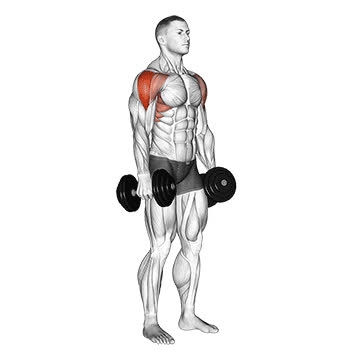
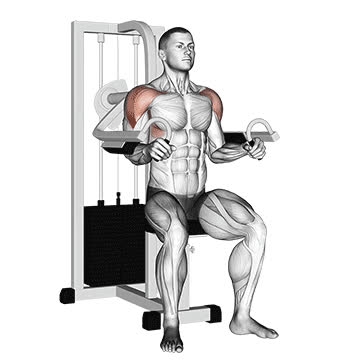
Alternatives to the cable lateral raise
Close matches for the same muscles, with different equipment, so a busy station doesn’t stop your workout.
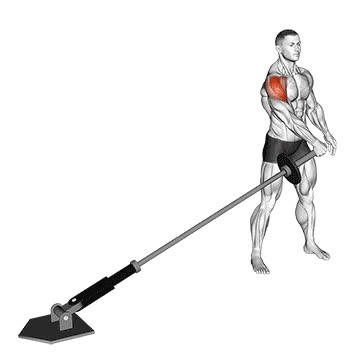
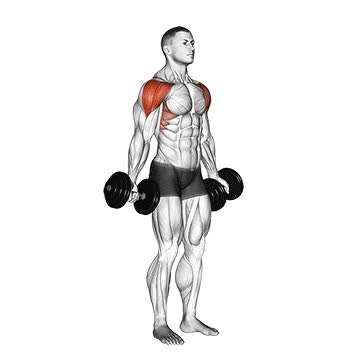
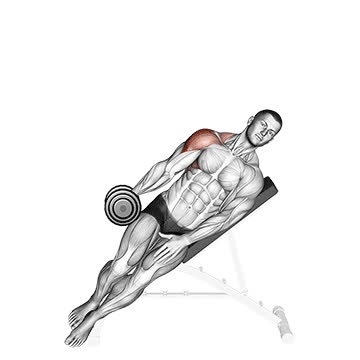
Pumpd builds the cable lateral raise into your plan
Tell Pumpd your goal, days and equipment. It picks exercises like this one, sets your sets and reps, and balances weekly sets for every muscle.
See it in a real week: Push Pull Legs · Upper / Lower
Questions about the cable lateral raise
Is the cable lateral raise suitable for beginners?
Yes, the cable lateral raise is suitable for beginners. Start with lighter weights and focus on mastering proper form and technique. This will help in building a strong foundation for shoulder exercises.
What are good complementing exercises for the cable lateral raise?
Good complementing exercises include dumbbell shoulder presses, front raises, and face pulls. These will further strengthen the shoulder muscles and enhance overall upper body stability.
Can I do the cable lateral raise at home?
Yes, if you have access to a cable machine at home. If not, you can perform similar movements using resistance bands or dumbbells for effective shoulder training.
Does the cable lateral raise help build muscle or lose fat?
The cable lateral raise primarily helps build muscle in the shoulders and upper body. While it may not directly lead to fat loss, it contributes to overall strength and muscle definition, supporting a balanced workout routine.
Free on iOS and Android.
Build your plan here, then run it in the app.